በኦሮሚያ ክልል ያለው ህዝባዊ ተቃውሞ አሁንም ቀጥሏል፤ እየተገደሉ እና እየቆሰሉ ያሉ ዜጎችም መጠንም ጨምሯል
በህዳር አጋማሽ በምዕራብ ሸዋ የጀመረው ተቃውሞ በአብዛኛው የኦሮሚያ ክልል ከተሞች ዛሬም ድረስ ቀጥሏል፡፡ ባለፈው ሳምንት በነበሩ ተቃውሞች ህፃናት እና ኣዛውንቶችን ጨምሮ ከ130 ያላነሱ ሰዎች በመንግሥት የፀጥታ ኃይሎች መገደላቸው ተጠቁሟል፡፡ በተለይ በምዕራብ አርሲ አጄ አካባቢ በነበረው ተቃውሞውም የመንግሥት የፀጥታ ኃይሎች ህዝቡ ላይ የወሰዱትን የኃይል እርምጃ ተከትሎ 11 ያህል የመንግሥት ወታደሮች መገደላቸው ታውቋል፡፡ ይህ በእንዲህ እንዳለ በሀገሪቱ የፖለቲካ እስረኞች ከሚበዙበት ወህኒ ቤቶች መካከል አንዱ እንደሆነ የሚነገርለት የአምቦ ወህኒ ቤት በእሳት የመቃል አደጋ ደርሶበታል፡፡ የቃጠሎው መንስኤ እና ቃጠሎውን ተከትሎ ስለደረሰው ጉዳት ከመንግስትም ሆነ ከገለልተኛ አካል የተገለፀ ነገር የለም፡፡

በዛሬው የካቲት 14 ቀን 2008 ዓ.ም. በምዕራብ ሐረርጌ መቻራ ከተማ በነበረው ተቃውሞ የፀጥታ ኃይሎች በወሰዱት የኃይል እርምጃ እስካሁን ቁጥራቸው በውል ያልተለዩ በርካታ ሰልፈኞች መገደላቸውና ከ15 በላይ ዜጎች ደግሞ በፅኑ ቆስለው ገለምሶ ሆስፒታል የህክምና እርዳታ እየተደረገላቸው መሆኑን መረጃዎች አመልክተዋል፡፡ ህዝባዊ ተቃውሞን ተክተሎ በክልሉ እየታሰሩ ያሉ ወጣቶች ቁጥርም በከፍተኛ ደረጃ የቸመረ ሲሆን፤ በትናንትናው ዕለትም ዋና ፅህፈት ቤቱ 6 ኪሎ አዲስ አበባ አፍንጮ በር የሚገኘው የኦሮሞ ፌደራሊስት ኮንግረንስ/መድረክ ዋና ፅሕፈት ቤት በመንግሥት የፀጥታና የደህንነት ኃይሎች ቁጥጥር ስረ ወድቆ በቢሮው የነበሩት ተደብድበው መታሰራቸውንም የፓርቲው የመረጃ ማኀበራዊ ገፅ አመልክቷል፡፡ በወቅቱ የፓርቲው ሊቀመንበር ዶ/ር መረራ ጉዲናም ወደ ቢሯቸው እንዳይገቡ ተከልክለው እንደነበር የፓርቲው ገፅ አስታውቋል፡፡
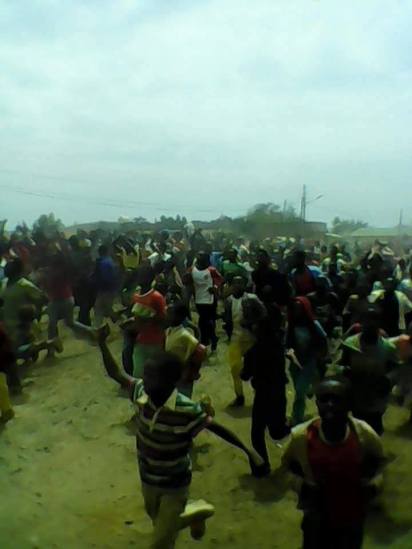
በተለይ በምዕራብ አርሲ በነበረው ተቃውሞ የአካባቢው ሽማግሌዎች ለተቃውሞ የወጡና የተቃውሞ ሰልፎች ላይ ንቁ ተሳታፊ ናቸው የተባሉ በርካታ ወጣቶችን በመሰብሰብ በሚደረገው ተቃውሞ በሌሎች ብሔሮች አካልም ሆነ ንብረት ላይ ምንም ዓይነት ጉዳትና ጥቃት እንዳትፈፅሙ፣ ተቃውሞ በምንግሥትና በስርዓቱ ላይ እንጂ በየትኛውም የህዝብ አካላ ላይ አይደለም፡፡ ይህን ተላልፎ የተገኘም የእና አካል አይደለም፤ሊሆንም አይችልም ሲሉ ቃል ማስገባታቸው ታውቋል፡፡ በክልሉ ያለው ተቃውሞ በአርሲ፣ በወለጋ፣ በነጌሌ፣ በሱሉልታ፣ በምዕራብና ምስራቅ ሐረርጌ ተጠናክሮ መጠሉ ታውቋል፡፡ይሁን እንጂ መንግሥት ምዕራብ ወለጋን ጨምሮ በተለያዩ ከተሞች የመከላከያ ከባድ የጦር መሳሪያዎችን እና ሰራዊት የጫኑ ተሸከርካሪዎች በሰፊው ሲንቀሳቀሱ ታይተዋል፡፡
በኦሮሚያ ያለው ህዝባዊ ተቃውሞ እንደቀጠለ ነው፤ በመንግሥት የኃይል እርምጃ የተገደሉ ዜጎች ቁጥርም ከ140 በላይ ደርሷል
በኦሮሚያ ያለው ህዝባዊ ተቃውሞ አሁንም በተለያዩ ከተሞች እንደቀጠለ ነው፡፡ በርካታ ትምህርት ቤቶች ተዝግተዋል፡፡ በመንግሥት የፀጥታ ኃይሎች የተገደሉት ዜጎች ቁጥር ከ140 በላይ መድረሱን መረጃዎች አመልክተዋል፡፡
የፀጥታ ኃይሎች በወሰዱት የኃይል እርምጃ ከሰላማዊ ህዝባዊ ተቃውሞ ላይ ከተሳተፉት እና በቤታቸው እንዲሁም በመንገድ ላይ ሲጓዙ የተገደሉትን 140 ዜጎችን ጨምሮ ከ350 በላይ ሰዎች ሲቆስሉ ከ4 ሺህ በላይ ዜጎች በእስር ላይ እንደሚገኙ መረጃዎች አመልክተዋል፡፡
በተለይ የመንግሥት የፀጥታ ኃይሎች በጅምላ እየወሰዱት ባለው እስር በድጋሚ የታሰሩት የኦፌኮ/መድረክ አመራር አቶ በቀለ ገርባ ልጅ የሆነው እና በአዳማ ዩኒቨርስቲ የ5ኛ ዓመት የህግ ተማሪ የሆነው ናዖል በቀለ ገርባን ጨምሮ በርካታ ተማሪዎች ከሚማሩበት የትምህርት ተቋም ተይዘው መታሰራቸውም ተሰምቷል፡፡
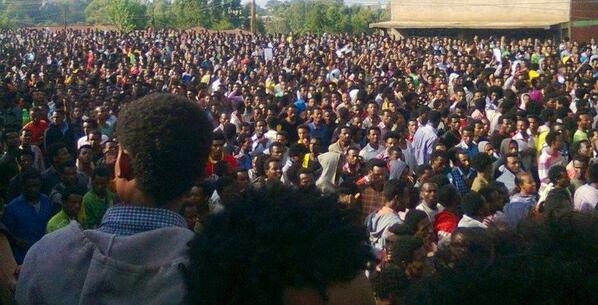 ህዝባዊ ተቃውሞው አሁንም በተለያዩ ከተሞች በተለይም በምዕራብ ኢትዮጵያ በወለጋ፣ ምዕራብ ሸዋ፣ በምስራቅ የሀገሪቱ ክፍል በምስራቅ እና ምዕራብ ሐረርጌ፣ በአርሲ ፣ በምስራቅ ሸዋ በሚገኙ የተለያዩ ከተሞች እንደቀጠለ ነው፡፡ በመንግሥት የሚገደሉ፣ የሚታሰሩና የሚጎዱ ዜጎችም ቁጥር እየጨመረ እንደሆነ መረጃዎች አመልክተዋል፡፡
የኦፌኮ/መድረክ ዋና ፀሐፊ አቶ በቀለ ነጋዓ እስካሁን በመንግሥት የፀጥታ ኃይሎች ከደረሰባቸው ተደጋጋሚ ማስፈራሪያና ዛቻ በኋላ ባለፈው ሳምንት መጀመሪያ የተንቀሳቃሽ ስልካቸው ተነጥቆ ፣ ከመኖሪያ ቤታቸው እንዳይወጡ ተደርጎ እስካሁንም በቁም እስር ላይ መሆናቸው ታውቋል፡፡ ህዝባዊው ተቃውሞ ባለፈው ህዳር 2008 ዓ.ም. አዲሱን የአዲስ አበባ እና የኦሮሚያ ፊንፊኔ ዙሪያ ልዩ ዞን የተቀናጀ ማስተር ፕላን ትግበራን በመቃወም መጀመሩ ይታወሳል፡፡
መንግሥት በበኩሉ ለተቃውሞ የወጡትን ፀረ-ህዝብ፣ ፀረ-ሰላም፣ አሸባሪዎች ብሎ መወንጀሉን እና ህዝባዊው ተቃውሞውን በቁጥጥር ስር አውየዋለሁ በሚል ተደጋጋሚ መግለጫ ቢሰጥም፤ ተቃውሞው በያዝነው ሳምንት በተለያዩ የሀገሪቱ ኦሮሚያ ክልሎች ተጠናክሮ መቀጠሉ የታወቀ ሲሆን፤ በተለይ በሐረርጌ አካባቢ ከአዲስ አበባ ድሬዳዋ እና ሐረር የሚወስዱ ዋና መንገዶች በተቃውሞው ተዘግተው እንደነበር ምንጮች አስታውቀዋል፡፡
Dispatches: Arrest of Respected Politician Escalating Crisis in Ethiopia
Felix Horne
Researcher, Horn of Africa
Over the past eight weeks, Ethiopia’s largest region, Oromia, has been hit by a wave of mass protests over the expansion of the municipal boundary of the capital, Addis Ababa. The generally peaceful protests were sparked by fears the expansion will displace ethnic Oromo farmers from their land, the latest in a long list of Oromo grievances against the government.
Security forces have killed at least 140 protesters and injured many more, according to activists, in what may be the biggest crisis to hit Ethiopia since the 2005 election violence.

The crisis has taken another worrying turn: on December 23, the authorities arrested Bekele Gerba, deputy chairman of the Oromo Federalist Congress (OFC), Oromia’s largest legally registered political party. There had been fears he would be re-arrested as the government targets prominent Oromo intellectuals who they feel have influence over the population. He was first taken to the notorious Maekalawi prison, where torture and other ill-treatment are routine. The 54-year-old foreign language professor was reportedly hospitalized shortly after his arrest but his whereabouts are now unknown, raising concerns of an enforced disappearance. Other senior OFC leaders have been arbitrarily arrested in recent weeks or are said to be under virtual house arrest.
This is not the first time Bekele has been arrested. In 2011, he was convicted under Ethiopia’s draconian counter terrorism law of being a member of the banned Oromo Liberation Front – a charge often used to silence politically engaged ethnic Oromos who oppose the ruling Ethiopian Peoples’ Revolutionary Democratic Front (EPRDF). He spent four years in prison and was only released shortly before the elections last May. The OFC ran candidates but the EPRDF coalition won all 547 parliamentary seats, a stark reflection of the unfair electoral playing field.
Bekele is deeply committed to nonviolence and has consistently advocated that the OFC participate in future elections, despite the EPRDF’s stranglehold on the political landscape.
By treating both opposition politicians and peaceful protesters with an iron fist, the government is closing off ways for Ethiopians to nonviolently express legitimate grievances. This is a dangerous trajectory that could put Ethiopia’s long-term stability at risk.
The Ethiopian government should release unjustly detained opposition figures including Bekele and rein in the excessive use of lethal force by the security forces. They should also allow people to peacefully protest and to express dissent and ensure that farmers and pastoralists are protected from arbitrary or forced displacement without consultation and adequate compensation.
These steps would be an important way to show Oromo protesters that the government is changing tack and is genuinely committed to respecting rights. Without this kind of policy shift, desperate citizens will widen their search for other options for addressing grievances.
አቶ በቀለ ገርባ በድጋሚ ታሰሩ
የኦሮሞ ፌደራሊስት ኮንግረንስ/መድረክ ተቀዳሚ ምክትል ሊቀመንበር እና የአዲስ አበባ ዩኒቨርስቲ መምህር አቶ በቀለ ገርባ ዛሬ በድጋሚ መታሰራቸው ተገለፀ፡፡ አቶ በቀለ ዛሬ የታሰሩት አዳማ/ናዝሬት ከሚገኘው መኖሪያ ቤታቸው በ14 የደህንነት አባላት ለሰባት ሰዓታት ያህል ፍተሻ ከተደረገ በኋላ ተይዘው ወደ አዲስ አበባ መምጣታቸውን የኢሳት ዘገባ አመልክቷል፡፡
 ባለፈው ህዳር 2008 ዓ.ም. ከተቀጣጠለው የኦሮሚያ ክልል ህዝብ ተቃውሞን ተከትሎ የፌደራል ፖሊስ፣ የአጋዚ ልዩ ኃይል እና መከላከያ ሰራዊት በክልል በተቀሰቀሰው ህዝባዊ ተቃውሞ ከ86 በላይ ሰዎች መገደላችን፣ በርካታ ሰዎች መቁሰላቸውን እና መታሰራቸውን ተከትሎ አቶ በቀለ በፓርቲያቸው ኦፌኮ/መድረክ አማካኝነት ከፍተኛ ተቃውሞ ሲያሰሙ ከነበሩ አመራሮች አንዱ መሆናቸው ይታወቃል፡፡
አቶ በቀለ ከዚህ በፊት በሰኔ 2003 ዓ.ም. በኦሮሚያ ክልል በመንግሥት ስለሚፈፀሙ የሰብዓዊ መብት ጥሰቶችን በተመለከተ ለአምንስቲ ኢንተርናሽናል ጋር ያደረጉትን አጭር ቆይታ ተከትሎ መንግሥት በሽብር ወንጀል ፈርዶ ለ3 ዓመት ከ7 ወር በኋላ የእስር ፍርድ ጊዜያቸውን ጨርሰው ባለፈው መጋቢት 2007 ዓ.ም. መፈታታቸው አይዘነጋም፡፡ አቶ በቀለ ዛሬ ከመኖሪያ ቤታቸው ተይዘው የታሰሩበት ምክንያት እስካሁን እንዳልተገለፀላቸው ታውቋል፡፡
በተያያዘ ዜና ከአቶ በቀለ ገርባ በተጨማሪ ቀደም ሲል ከኦፌኮ/መድረክ ከፍተኛ አመራሮች አቶ ደጀኔ ጣፋ እና የተለየዩ የፓርቲው አባላትና የዞን አመራሮችም መታሰራቸው ታውቋል፡፡
ለለአንድ ወር የዘለቀው የኦሮሚያ ህዝባዊ ተቃውሞ አዲሱን የአዲስ አበባ እና የኦሮሚያ ልዩ ዞን የተቀናጀ የጋራ ማስተር ፕላንን በመቃወም መነሻ ቢሆንም በተጨማሪ የተለያዩ የመብት ጥያቄዎችን ያካተተ እንደነበር አይዘነጋም፡፡
Ethiopia: Lethal Force Against Protesters
Military Deployment, Terrorism Rhetoric Risk Escalating Violence
Human Rights Watch
(Nairobi)
Ethiopian security forces have killed dozens of protesters since November 12, 2015, in Oromia regional state, according to reports from the region. The security forces should stop using excessive lethal force against protesters.
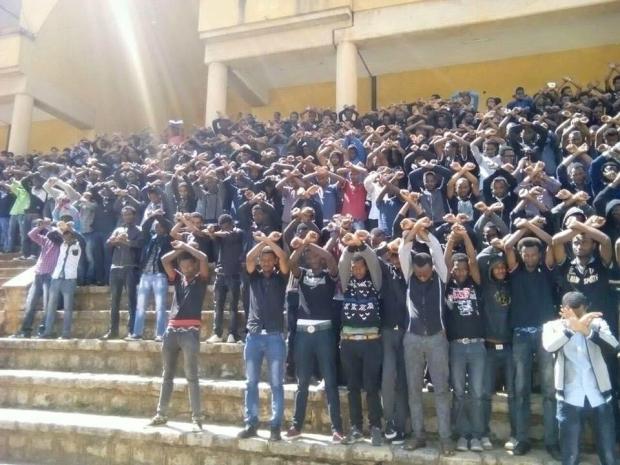
Police and military forces have fired on demonstrations, killing at least 75 protesters and wounding many others, according to activists. Government officials have acknowledged only five deaths and said that an undisclosed number of security force members have also been killed. On December 15, the government announced that protesters had a “direct connection with forces that have taken missions from foreign terrorist groups” and that Ethiopia’s Anti-Terrorism Task Force will lead the response.
“The Ethiopian government’s response to the Oromia protests has resulted in scores dead and a rapidly rising risk of greater bloodshed,” said Leslie Lefkow, deputy Africa director at Human Rights Watch. “The government’s labelling of largely peaceful protesters as ‘terrorists’ and deploying military forces is a very dangerous escalation of this volatile situation.”
Protests by students began in Ginchi, a small town 80 kilometers southwest of Ethiopia’s capital, Addis Ababa, when authorities sought to clear a forest for an investment project. Protests quickly spread throughout the Oromia region, home of Ethiopia’s estimated 35 million Oromo, the country’s largest ethnic group.
They evolved into larger demonstrations against the proposed expansion of the Addis Ababa municipal boundary, known as the “Addis Ababa Integrated Development Master Plan.” Approximately 2 million people live in the area of the proposed boundary expansion and many protesters fear the plan could displace Oromo farmers and residents living near the city.
Since mid-November, the protesting students have been joined by farmers and other residents. Human Rights Watch received credible reports that security forces shot dozens of protesters in Shewa and Wollega zones, west of Addis Ababa, in early December. Several people described seeing security forces in the town of Walliso, 100 kilometers southwest of Addis Ababa, shoot into crowds of protesters in December, leaving bodies lying in the street.
Numerous witnesses told Human Rights Watch that security forces beat and arrested protesters, often directly from their homes at night. Others described several locations as “very tense” with heavy military presence and “many, many arrests.” One student who took part in protests in West Shewa said, “I don’t know where any of my friends are. They have disappeared after the protest. Their families say they were taken by the police.”
Local residents in several areas told Human Rights Watch that protesters took over some local government buildings after government officials abandoned them. Protesters have also set up roadblocks to prevent the movement of military units into communities. Some foreign-owned commercial farms were looted and destroyed near Debre Zeit, 50 kilometers southeast of Addis Ababa, news media reported.
Human Rights Watch has not been able to corroborate the precise death toll and many of the details of individual incidents because of limited independent access and restricted communications with affected areas. There have also been unconfirmed reports of arrests of health workers, teachers, and others who have publicly shown support for the protest movement through photos and messages on social media.
The United Nations Basic Principles on the Use of Force and Firearms by Law Enforcement Officials provide that security forces shall as far as possible apply nonviolent means before resorting to the use of force. Whenever the lawful use of force is unavoidable, the authorities should use restraint and act in proportion to the seriousness of the offense. Lethal force may only be used when strictly unavoidable to protect life.
The Ethiopian government should respect freedom of expression and peaceful assembly, Human Rights Watch said. While police have the responsibility to maintain order during protests, they should only use force when strictly necessary and in a proportionate manner.
Ethiopia’s government regularly accuses people who express even mild criticism of government policy of association with terrorism. Dozens of journalists, bloggers, protesters, and activists have been prosecuted under the country’s draconian 2009 Anti-Terrorism Proclamation.
On December 16, 2015, Prime Minister Hailemariam Desalegn said that the government “will take merciless legitimate action against any force bent on destabilizing the area.” The same day, Getachew Reda, the government communication affairs office minister, said that “an organized and armed terrorist force aiming to create havoc and chaos have begun murdering model farmers, public leaders and other ethnic groups residing in the region.” While there have been some recent reports of violence by protesters, according to information obtained by Human Rights Watch, the protests have overwhelmingly been peaceful.
Ethiopia’s pervasive restrictions on independent civil society and media mean that very little information is coming from affected areas although social media are filled with photos and videos of the protests. Authorities have cut mobile phone coverage in some of the key areas, particularly areas where there is significant military deployment, raising concerns over the potential crackdown. In communities where there is mobile phone coverage, witnesses reported repeated gunfire and a heavy military presence.
The authorities’ response to past protests in Oromia raises serious concerns for the safety of protesters and others arrested, Human Rights Watch said. In Oromia in April and May 2014, security forces used live ammunition against largely peaceful student protesters, killing several dozen people, and arrested hundreds more. Some of those arrested are still detained without charge. Former detainees told Human Rights Watch that they were tortured and otherwise ill-treated in detention. On December 2, 2015, five Oromo students were convicted under the counterterrorism law for their role in the protest movement. There has been no government investigation into the use of excessive force and live ammunition during the 2014 protests.
While both the 2014 and current protests are ostensibly responding to the Addis Ababa expansion plan, they also derive from deeper grievances, Human Rights Watch said. Many Oromos have historically felt marginalized and discriminated against by successive Ethiopian governments, and Oromos are often arbitrarily arrested and accused of belonging to the Oromo Liberation Front (OLF), which waged armed struggle in the past and which the government designates a terrorist organization.
Under the UN Basic Principles on the Use of Force and Firearms, in cases of death or serious injury, appropriate agencies are to conduct a review and a detailed report is to be sent promptly to the competent administrative or prosecutorial authorities. The government should ensure that arbitrary or abusive use of force and firearms by law enforcement officials is punished as a criminal offense. Superior officers should be held responsible if they knew or should have known that personnel under their command resorted to the unlawful use of force and firearms but did not take all measures in their power to prevent, suppress, or report such use.
The Ethiopian government should support prompt, independent investigations into the events in Oromia region, including by UN and African Union (AU) human rights experts on freedom of expression, peaceful assembly and association. Governments and intergovernmental organizations, including the AU, should raise concerns about the excessive use of force against protesters and call on Ethiopia to respect fundamental human rights in its response to the protests, Human Rights Watch said.
“Ethiopia’s security forces seem to have learned nothing from last year’s protests, and, instead of trying to address the grievances that are catalyzing the protests, are shooting down more protesters,” Lefkow said. “Concerned governments and institutions should call on Ethiopia to halt its excessive use of force and stop this spiral into further violence.”
Source: https://www.hrw.org/news/2015/12/18/ethiopia-lethal-force-against-protesters
 Dagumedia