Ethiopia court found former senior opposition figure Yonatan Tesfaye guilty of terrorism charges
Mahlet Fasil
The Federal High court fourth criminal bench has passed a guilty verdict against Yonatan Tesfaye, former opposition Blue Party public relations head.

Yonatan Tesfaye
Yonatan was first arrested in December 2015, barely a month after the first wave of a year-long #Oromoprotests erupted. He was held incommunicado during the pre-trial weeks and was subsequently charged in May 2016 under Ethiopia’s infamous anti-terrorism proclamation (ATP).
Yonatan has been defending the charges against him since then. The charges of ‘encouragement of terrorism’, stipulated under article six of the ATP, were largely drawn from his Facebook activism during the protests. According to article six of the ATP, “Whosoever publishes or causes the publication of a statement that is likely to be understood by some or all of the members of the public to whom it is published as a direct or indirect encouragement or other inducements to them to the commission or preparation or instigation of an act of terrorism…” is subject to terrorism charges.
He had presented several defense witnesses, including prominent opposition party leaders from the Oromo Federalist Congress (OFC), Bekele Gerba and Dr. Merera Gudina, who are in jail at the time of their testimony fighting charges of terrorism and multiple criminal charges respectively, and journalist Eskendir Nega, who is serving 18 years in prison for terrorism-related charges.
In addition, Yonatan’s close friend Ephrem Tayachew, his father Tesfaye Regassa, and his sister Gedamnesh Tesfaye as well as academicians from the Addis Abeba University (AAU), including the outspoken philosopher Dr. Dagnachew Assefa and Dr. Yaqob Hailemariam have all appeared in court to testify in defense of Yonatan’s innocence.
However, on May 16, 2017 the court in its verdict overruled all defense testimonials by upholding prosecutors’ accusations. Yonatan’s sentencing is adjourned to May 25, 2017.
Yonatan could face from ten to 20 years rigorous prison term in a federal prison; however, the court ruled that he can appeal for a minimum sentence.
***According to new information Addis Standard received, after the sentencing is handed over, Yonatan’s defense team, led by his lawyer Shibiru Belete, is planning to object to the verdict and appeal for the charges to be reduced to criminal charges.
Source: Addisstandard
Addis Ababa: When Name and Reality Don’t Match Up
Kebour Ghenna
Translate ‘Addis Ababa’ to a foreigner and her eyes glaze over at the thought of miles of beautiful parks, boulevards and streets lined up with ornamental prune trees, and pedestrian-friendly clean neighborhoods. Alas, the reality could not be further from the truth. Addis Ababa is today a dense, brutal, and crowded city, with serious deficiencies in housing, drinking water, power, sewerage, solid waste disposal, and other services. Everywhere we look, we see evidence of unthinkable inequality, deprivation and filth.
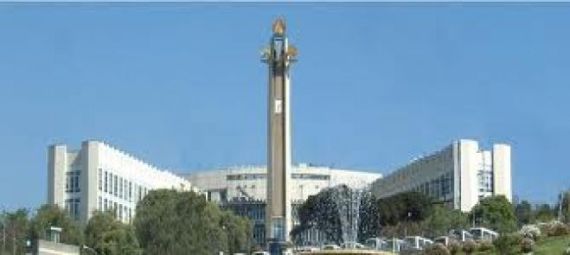
Fifty years ago, my father likened to say ‘There is no garden in Addis Ababa… Addis is in a garden.’ I suppose with the speed of growth Addis witnessed in the past few decades, and the scarcity of means with which it could respond to it, things must have gone out of control. Yes, cities are messy, complex places to administer. But what cities can be, is smarter about how they approach the issue. Today, Addis Ababa has the exclusive opportunity to reinvent its city centre. It can not only rejuvenate itself, but also give a preview of how an African City of the 21st Century could look like and function.
These last ten years, as large amount of area is freed up right in the heart of the city, the chance to plan a completely new activity centre for the city has arisen. Unfortunately, the redevelopment so far seems to be utterly sterile. Look at Arat Kilo (my home quarter), where there was once a vibrant community, busy alleys, family owned businesses, artisan workshops, small soccer fields and more, is today being replaced by new residents, soulless new assemblage of buildings with absolutely zero character or taste. And yet, poor Arat Kilo could have been one of the tourist attraction of the city, had it been allowed to keep its mixed-use habitats, and high-density neighborhoods and was provided with sewage systems, water, electricity, roads, wi-fis and other state of the art amenities, regardless of how slummy or messy it looked.
Go further to AYAT and beyond, a featureless new quarter.
Over the past decade and a half, the nation’s developers and government officials have replicated discredited urban planning templates, importing ideas that were tested, failed and long since abandoned in places like Europe and the US.
But the most amusing development of all is the attempt by the city to create a so called financial centre between Mexico Square and the National Bank of Ethiopia – which meant for the authorities replicating the plans for the Loop in Chicago or Canary Wharf in London, or Wall Street in New York. Here the containers are mistaken for the contents. But no one goes to Mexico Square to see the buildings.
That’s not all, now check out the development around the UNECA, where monotonous hotel buildings and bunch of apartments completely masked one of the magnificent UN campuses in the world. Today that complex is almost out of sight. A repeat around the AU Commission campus may be developing.
In the whole, the wrong sort of architecture and urban planning has been favored – an approach that favors, horizontal grouping of buildings (of any kind) instead of, say, business. And what’s frightening is the lack of citizens’ engagement in policymaking and the design of public services. So, to any Addis Ababian willing to listen – before it’s too late – it’s time to claim back the essence of the new flower or the image of Addis Ababa.
Here are six modest ideas:
First, let’s decide on the kind of city we, the citizens, want to have and then start rebuilding our city the way we want it. Ideally government should provide the land and the infrastructure, but beyond that, we should be free to build what we need, neighborhood by neighborhood, each with its own main street, shops, banks, schools, hospitals, entertainment centers etc . Each complex becoming a small town, and their numbers would make up this sprawling capital. Indeed, this was how Addis was founded at the start of the 20th century, with the then aristocrats and army commanders setting up their own camps i.e. Ras Mulugeta Sefer, Dejazmach Zewedu Abba Koran, Dejach Wube are some among others.
Today, many misunderstand Addis Ababa as informal and illogical because of the dualist notion of the city as divided into polar opposites: Urban and rural, rich and poor, formal and informal, order and mess. But Ethiopian culture accepts that mess and order are inseparable: this is why Ethiopians are so tolerant of urban forms that the West would see as “irrational” or “messy” — neighborhoods develop and slowly integrate with the larger urban system on their own terms. Addis was built with no zoning rules to become a fantastically integrated mixed-use city. With some imagination, involvement, and incremental development we can still build what would be a prosperous city where the inhabitants would preserve their customs and social organization. In other words, a city with character.
Second, let’s make (not talk) Addis the greenest city of Africa, a city that builds electric light train, but also provides a new way of thinking about urban living. A city moving from a consumer society to a collaborative society; a city that has high acceptance of public transit, bicycle pathways, and pedestrian walkways; a city that can encourage and support residents to grow their own food. Utopia? Not at all! It is in fact within our ability to change, say, within a time span of twenty years. Encouraging, say, small plot or integrated farming, known as permaculture, is an initiative everyone can be involved in, and make a small difference in their community and surrounding environment, it can even create employment, lots of it, for young people. As you might imagine, for a green future in Addis Ababa, multiple actions need to be taken: from localized high-level policy frameworks, to harnessing residents’ love for nature.
Third, let’s rethink our deference to car travel (a copy paste of another value and culture) and stop crafting our landscape around automotive transport. Look at New York city, note the compactness of its development, the fertile mix of commercial and residential uses, and the availability of public transportation. All that has made automobile ownership all but unnecessary in most of New York city. So why not adopt the same vision for Addis, and promote biking, buses and modern traffic systems, as well the building of pleasant sidewalks.
Fourth, let’s stop pushing out lower wage residents and service workers out to the far-off peripheries, where opportunities are fewest, where they can barely afford to live, and where their economic conditions continues to sink. Aren’t they part of the fabric of Addis Ababa? The future of our city should not be a city of dull, boring, rich people only.
Fifth, let’s build an inclusive Addis Ababa with strong community bonds, incorporating resilience, innovations and technologies in areas such as infrastructure, governance and security. For this is a necessary first step to get political, business and civic leaders to agree on a shared vision and common agenda for joint action on the city’s economic growth and inclusion. Of course collaboration does not happen naturally, particularly in view of past experiences and the way our Kebeles work, where politics and the ruling party members dominate the discourse. Still, I think residents can come together and make Addis a hotbed of high tech and the leading startup cities in Africa. Let’s catch up Nairobi and Kigali.
Which leads me to my sincerest piece of advice: If we have any ambition for creating inclusive, resilient, green, healthy, just, smart or livable Addis Ababa, then we should, above all, effectively tackle corruption.
በቅርቡ ከዚህ ዓለም በሞት የተለዩት ሌተናት ጀነራል ጃጋማ ኬሎ የቀብር ስነ ስርዓት ተፈፀመ
ኢትዮጵያዊው ስመ ጥር ጀግና “የበጋው መብረቅ” አርበኛ ሌተናት ጀነራል ጃጋማ ኬሎ በተወለዱ በ96 ዓመታቸው መጋቢት 29 ቀን 2009 ዓ. ም. ይህችን ዓለም የተሰናበቱ ሲሆን፥ የቀብር ስነ ስረዓታቸውም ዛሬ እሁድ ሚያዝያ 1 ቀን 2009 ዓ. ም. በአዲስ አበባ መንበረ ጸባዖት ቅድስት ስላሴ ቤተ ክርስቲያን በክብር ተፈፅሟል።

አርበኛው ጃጋማ በ1913 ዓ ም በቀድሞው ሽዋ ጠቅላይ ግዛት በምዕራብ ሸዋ በመጫና ጅባት አውራጃ፥ ጊንጪ ልዩ ስሙ ደንቢ ዮብዲ በሚባል ስፍራ ባላባት ከነበሩት ወላጆቻቸው ከአባታቸው ኬሎ ገሮ እና ከእናታቸው ወ/ሮ ጠላንዱ ኢናቱ በ1913 ዓ. ም. ተወለዱ። ወላጅ አባታቸውን በሞት ያጡት ጃጋማ ፥ የአድዋውን ሽንፈት ለመበቀል በአጼ ኃይለስላሴ ዘመን ጣሊያን ከ1928 1933 ዓ ም በኢትዮጵያ ላይ ዳግም ወረራ ባካሄደበት ወቅት ገና የ15 ዓመት ወጣት የነበሩት ጃጋማ፥ የሀገራቸውን ሉዓላዊነት እና ክብር ለማስጠበቅ አንድ የአጎታቸውን የእጅ የጦር መሳሪያ በመያዝ ሁለት የአጎታቸውን ልጆች አስከትለው ጫካ ገቡ።

ከዚያም ሌሎች ሀገር ወዳድ ኢትዮጵያዊ ወጣቶችን በማሳመንና በማስከተል በዕድሜና በልምድ የሚበልጧቸውን ጨምሮ ያለምንም ሳይንሳዊ ወታደራዊ ስልጠና ከ3000 በላይ አርብኞችን በመምራት ለድል በመብቃት ሀገራቸውን አስከብርዋል።
በአምስቱ ዓመት የጣሊያን ወረራ ወቅት ለፈፀሙት ጀብዱ ከንጉሰ ነገስቱ ከቀዳማዊ አጼ ኃይለስላሴ የወርቅ የእጅ ሰዓት እና ከበርጅን የሚባለውን ልዩ ካባ ተሸልመዋል።
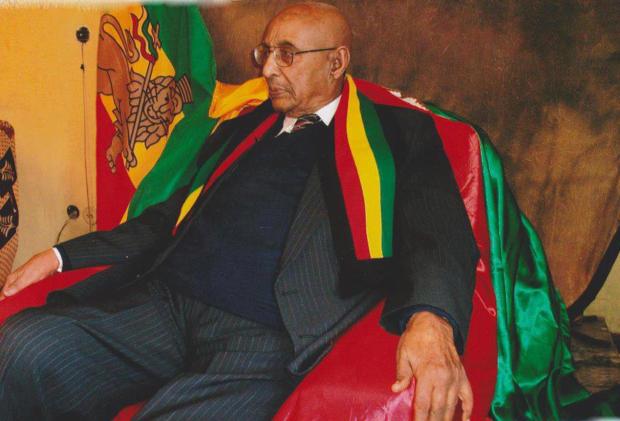
ከድል በኋላ በሀገር ውስጥና በአሜሪካ ሳይንሳዊ የሆነውን ዘመናዊ ወታደራዊ ስልጠና እና አስተዳደር ትምህርቶችን በመከታተልም በወቅቱ የሀገሪቱ የመጨረሻ ከፍተኛ ወታደራዊ የሌተናት ጀነራልነት ማዕረግ ላይ ከመድረሳቸው በተጨማሪ፥ የሀገሪቱ የጦር አዛዥ እና በተለያዩ የሀገሪቱ ጠቅላይ ግዛቶች ሀገረ ገዥ በመሆን አገልግለዋል።
የአስቸኳይ ጊዜ አዋጁ መራዘም እና የሚያስከትለው መዘዝ
ብስራት ወልደሚካኤል
ያለምንም የተፈጥሮ አደጋ ምክንያት የአስችኳይ ጊዜ አዋጅ አውጥቶ ላለፉት 6 ወራት ከቆየ በኋላ ለተጨማሪ 4 ወራት ማራዘሙን ገዥው ስርዓት ይፋ አድርጓል:: ይሄ የሚያሳየው ህወሓት/ኢህአዴግ ሙሉ ለሙሉ በሚባል ደረጃ የማስተዳደር አቅሙ መዳከሙን፥ ህዝባዊ ተቀባይነት ማጣቱን እና ህዝባዊ እምቢተኝነቱ በወታደራዊ እዝ የተዳፈነ ቢመስልም ጭራሽ እንዳልጠፋ ነው የሚነግረን::

በርግጥ የአዋጁ መራዘም የዜጎችን መብት በማፈን እና በመጨቆን ተጨማሪ የመብት ጥሰትን ዕድል የሚከፍት ነው። ይሁን እንጂ ስርዓቱ አዋጁን ህዝባዊ ተቃውሞዎችን ለማፈን የተጠቀመበት ቢሆንም በሌላ በኩል በራሱ ላይ ተጨማሪ የማያባራ ችግር እየፈጠረ ይገኛል። ምክንያቱም በህዝባዊ የፖለቲካ ማህበራዊና ኢኮኖሚያዊ መብቶች ጥያቄ ተቃውሞ ምክንያት አስቸኳይ አዋጅ በታሰሩበት ሀገር ምንም ዓይነት የመብት ዋስትና ስለማይኖር ከውጭ ወደ ሀገር ውስጥ የሚገባ የኢንቨስትመንት፥ የቱሪስት፥የዕርዳታ እና ትብብር እንቅስቃሴዎች በእጅጉ ይቀንሳሉ አሊያም ይቆማሉ::
በዚህም የውጭ ምንዛሪ እና የሀገር ውስጥ የኢኮኖሚ እንቅስቃሴ ይገደባል/ይደክማል:: ምክንያቱም በዜጎች የመብት ጥያቄ ምክንያት በአስቸኳይ አዋጅ ወታደራዊ ዕዝ ውስጥ ባለች ሀገር ውስጥ ምንም የደህንነት ዋስትና ስለማይኖር ደፍሮ መዋዕለ ነዋይ የሚያፈስ ባለሃብትና ጎብኚ አይኖርም:: ይህን ተከትሎ ከዚህ በፊት ሀገር ውስጥ የነበሩ የውጭ ባለሃብቶች በስራቸው የነበሩ ሰራተኞቻቸውን በማሰናበት ጓዛቸውን ጠቅልለው እንዲሄዱ በማድረግ የስራ አጡን ቁጥር በእጅጉ እንዲጨምር ያደርጋል::
በተጨማሪም የንግድ እንቅስቃሴ መዳከም እና የአቅርቦት እንዲሁም የሸቀጦችና መሰረታዊ ፍጆታዎች ዋጋ የበለጠ እየናረ እንዲሄድ ያደርገዋል:: ይሄ ደግሞ ለህዝባዊ ተቃውሞ ተጨማሪ ጉልበት ይሰጠዋል:: በመላ ሀገሪቱ ችግሮቹን ለመቆጣጠር የሚያስችል የገንዘብም ሆነ ፈቃደኛ የሚሆን የሰው ኃይል አይኖርም:: ስለዚህ የአስችኳይ ጊዜ አዋጁ መራዘም የዜጎችን መብቶችን ከመጨፍለቅ በተጨማሪ የመብት ጥያቄዎች እንዲበራከቱና ተጠናክረው እንዲቀጥሉ በማድረግ የስርዓቱን ውድቀት ያፋጥነዋል::
ምናልባት ገዥው ስርዓት የተፈጠረውን የውጭ ምንዛሪ እና የገንዘብ ችግር በጊዜያዊነት ለመቅረፍ ሲባል በሀገሪቱና በዜጎች ላይ ዘመን ተሻጋሪ የሆኑ ሌሎች ጎጂ ርምጃዎችንም ሊወስድ ይችላል:: ከነዚህም አንዱ በሀገሪቱ አሉ የሚባሉና እስካሁን በከፊል በሽርክናም ሆነ በሙሉ በሽያጭ ወደግል ያልተላለፉ የመንግሥት/የህዝብ የንግድ ኩባንያዎች እና ተቋማትን ለሽያጭ ሊያቀርብ ይችላል:: በዚህም የደህንነት ዋስትና በሌለበትና በእቸኳይ አዋጅ ወታድራዊ ዕዝ ስር ባለ ሀገር ነገ ምን ሊፈጠር እንደሚችል ስለምይታወቅ፤ ምናልባት በኢትዮጵያና በቀጠናው ላይ የፖለቲካ የበላይነት ለመያዝ ዙሪያ ጥምጥም ከሚያንዣብቡ የአረብ ባህረ-ሰላጤ ሀገራት በስተቀር የሚደፍር አይኖርም:: ይሄ ደግሞ ለስርዓቱ ተጨማሪ ራስ ምታት ነው::
ስለዚህ ያለው ብቸኛ የመፍትሄ አማራጭ ከተለመደውና ከተሰላቸው የስርዓቱ ኋላ ቀር ብልጣብልጥነት ፖለቲካ አካሄድ በመውጣት፤ የአስችኳይ ጊዜ አዋጁን ማንሳት፥ ከትዕቢትና እብሪት በዘለለ የህዝቡን ጥያቄ በተገቢው መንገድ በቀናነት መስማትና መመለስ፥ በግፍ የታሰሩ የህሊና እና የፖለቲካ እስረኞችን ያለምንም ቅድመ ሁኔታ መፍታት፥ ለህዝብና ለሀገር መብትና ጥቅም ከቆሙ በሀገር ውስጥና በውጭ ካሉ ተፎካካሪ የፖለቲካ ጅርጅቶች/ፓርቲዎች ጋር በገለልተኛ አካላት የሚመራና ገለልተኛ ስፍራ ግልፅ ድርድር ማድረግ ግድ ይላል። እንዲሁም ሐሳብን በነፃት የመግለፅና የፕሬስ ነፃነት ትግበራን ጨምሮ ቢያንስ በሀገሪቱ ሕግ መንግሥት ወረቀት ላይ የሰፈሩ መሰረታዊ የሰብዓዊና ዴሞክራሲያዊ መብቶች ተግባራዊ እንዲሆኑ ማድረግ።
ገዥው ስርዓት የህዝቡን ጥያቄ ወደጎን በመግፋት ወደተለመደው አፈና እና ጭቆና ለመመለስ ጊዜ መግዣ ይሆነኛል በሚል በሌለ ገንዘብና አቅም ወጣቱን በማይጨበጥ ማናባዊ የኢኮኖሚ አብዮት ለማታለል ከመሞከር ይልቅ፤ በሰጥቶ መቀበል መርህ ተግባራዊ የሚሆን ስምምነት ላይ በመድረስ የወታደራዊ ዕዙን በመደበኛ/ሲቭል አስተዳደር በመመለስ የአፈና የግድያ ተልዕኮ ፈፃሚ እና አስፈፃሚ የደህንነትና ወታደራዊ አካላት ከህገወጥ ድርጊታቸው ታቅበው ወደ መደበኛ ስፍራዎቻቸውና ስራዎቻቸው እንዲመለሱ ማድረግ የተሻሉ አማራጮች ናቸው:: አለበለዚያ አሁን ባለው መንገድ ነገሮች የሚቀጥሉ ከሆነ ችግሮቹ ተባብሰው በመቀጠል የሀገሪቱን እና የህዝቡን ህልውና እና ደህንነት አደጋ ላይ ከመጣል ባለፈ የስርዓቱን ውድቀት ያፋጥነው እንደሆነ እንጂ መፍትሄ ሊሆን አይችልም::
በጋምቤላ ክልል በሙርሌ ታጣቂዎች በተፈፀመ ጥቃት የ46 ሰዎች ህይወት አለፈ
ውድነህ ዘነብ
በጋምቤላ ክልል ባለፉት ስድስት ወራት ብቻ ከደቡብ ሱዳን ወደ ኢትዮጵያ ሰርገው እየገቡ በሚገኙ የሙርሌ ጎሳ የታጠቁ ኃይሎች 46 ሰዎች መገደላቸው ተገለጸ፡፡

ጋምቤላ ከጥቃቱ ሰለባዎች በከፊል
ከጋምቤላ ክልል ፀጥታና አስተዳደር ቢሮ የወጡ መረጃዎች እንደሚጠቁሙት፣ ከጥቅምት 27 እስከ መጋቢት 15 ቀን 2009 ዓ.ም. ባሉት ጊዜያት የ46 ሰዎች ሕይወት አልፏል፡፡ 76 ሕፃናት ታፍነው ተወስደዋል፡፡ ከዚህ በተጨማሪ 143 ከብቶች ተነድተው ተወስደዋል፡፡ 33 ቤቶች ከነንብረታቸው ተቃጥለዋል፡፡
የጋምቤላ ክልል ቴክኒክና ሙያ ማሠልጠኛ ቢሮ ኃላፊ ሆነው የካቲት 26 ቀን 2009 ዓ.ም. የተሾሙትና ቀደም ሲል የክልሉ ፀጥታና አስተዳደር ቢሮ ኃላፊ የነበሩት አቶ ኡቶው ኡኮት እንደገለጹት፣ የሙርሌ ታጣቂዎች በክልሉ እያደረሱ የሚገኙት ጥቃት አይሏል፡፡
አቶ ኡቶው ባለፉት አራት ወራት ታፍነው ከተወሰዱ ሕፃናት ስድስቱ ተመልሰዋል ብለዋል፡፡ የተነዱ ከብቶች ግን አልተመለሱም፡፡ ከተገደሉ 46 ዜጎች በተጨማሪ 17 ሰዎች ቆስለዋል ሲሉ አክለዋል፡፡
የጋምቤላ ክልል ፀጥታና አስተዳደር ቢሮ ኃላፊ ሆነው የተሾሙት አቶ ኡኩኝ ኦኬሎ ለሪፖርተር እንደገለጹት፣ የተወሰዱ ሕፃናትን ለማስመለስ ክልሉ ከፌዴራል መንግሥት ጋር በመቀናጀት እየሠራ ነው፡፡
‹‹አምና የተጀመረው ሕፃናትን ማስመለስና ችግሩ ዳግም እንዳይከሰት በዘላቂነት ለመፍታት የተለያዩ ሥራዎች እየተሠሩ ነው፤›› ሲሉ አዲሱ ተሿሚ አቶ ኡኩኝ ገልጸዋል፡፡
በጋምቤላ ክልል የሙርሌ ጎሳ የታጠቁ ኃይሎች የሚያደርሱት ጥቃት አዲስ ባይሆንም፣ ከ2008 ዓ.ም. በኋላ እየተባባሰ መጥቷል፡፡ ባለፈው ዓመት ሚያዚያ 2008 ዓ.ም. የደቡብ ሱዳን ሙርሌ ጎሳ የታጠቁ ኃይሎች የበርካታ ዜጎችን ሕይወት ከማጥፋት በተጨማሪ፣ ከ100 በላይ ሕፃናትን አፍነው መውሰዳቸው ይታወሳል፡፡
በዚህ ወቅት የሙርሌ የታጠቁ ኃይሎች ጥቃት በኢትዮጵያውያን ዘንድ ከፍተኛ ቁጣ ቀስቅሶ ነበር፡፡ ይህንን ችግር ለመፍታት መከላከያ ሠራዊት ዘግይቶም ቢሆን ወደ ደቡብ ሱዳን በመንቀሳቀስ ሕፃናቱን ለማስመለስ ሞክሯል፡፡
የመከላከያ ሚኒስትሩ አቶ ሲራጅ ፈጌሳ በቅርብ በሰጡት ጋዜጣዊ መግለጫ እንደገለጹት፣ የሙርሌ ጎሳ ታጣቂ ኃይሎች ጥቃት ረዥም ጊዜ ያስቆጠረና ከኋላቀር አስተሳሰብ የሚመነጭ ነው፡፡
‹‹መንግሥት ይህ ድርጊት መቀጠል የለበትም የሚል ግልጽ አቋም ወስዷል፤›› ያሉት አቶ ሲራጅ፣ ‹‹ይህንን ችግር በዘላቂነት ለመፍታት አስቸጋሪ የሆነው አካባቢው ረግራጋማ፣ ጥቅጥቅ ደን ያለበትና ለጉዞ አስቸጋሪ በመሆኑ ነው፤›› ብለዋል፡፡
ይህንን ችግር ለመፍታት በአስቸኳይ ጊዜ አዋጁም ትኩረት የተሰጠው መሆኑን፣ ችግሩን ለመፍታት ድልድዮችና መንገዶች እየተገነቡ መሆኑን አቶ ሲራጅ ገልጸው፣ በአካባቢው መሠረተ ልማት ከተሟላ ጥቃት አድራሾችን መቆጣጠር እንደሚቻል ማስረዳታቸውን የሪፖርተር ዘገባ አመልክቷል።
 Dagumedia