በሽብር የተከሰሰው ወጣት ህክምና ተከልክሎ እንደሞተ ተገለፀ
በጌታቸው ሺፈራው
• ‹‹አውቀው ነው የገደሉት፡፡ እኛንም ይገድሉናል!›› 1ኛ ተከሳሽ መልካሙ ክንፈ
• ‹‹ይህን የሚያደርገው መንግስት ከሆነ ቁርጡን አውቀነው እንሞታለን!›› 4ተኛ ተከሳሽ ይማም መሃመድ

አቶ አየለ በየነ
በእነ መልካሙ ክንፈ የክስ መዝገብ በሽብር ተከሶ ቂሊንጦ እስር ቤት ታስሮ የነበረው ወጣት አየለ በየነ ነገሰ ህክምና እንዳያገኝ ተከልክሎ እንደሞተ ተገለፀ፡፡ ወጣት አየለ በየነ ህክምና ተከልክሎ ለሞት እንደተዳረገ በአባሪነት የተከሱት ዛሬ ሀምሌ 18/2009 ዓ.ም ለከፍተኛው ፍርድ ቤት ልደታ ምድብ 4 ወንጀል ችሎት ገልፀዋል፡፡
ተከሳሾቹ የፀረ ሽብር አዋጁ ከሚፈቅደው አራት ወር በተጨማሪ 5 ወር በአጠቃላይ 9 ወራትን ማዕከላዊ ታስረው እንደቆዩ የተገለፀ ሲሆን ሟች ለረዥም ጊዜ ታሞ ህክምና ቢጠይቅም ህክምና ሳይገኝ ቀርቷል ተብሏል፡፡ ህመሙ ከጠናበት በኋላም ከ10 ቀን በላይ ምግብ መብላት ባለመቻሉ ለእስር ቤቱ አስተዳደሮች በቀን ከሶስት ጊዜ ባላይ ህክምና እንዲያገኝ ጥያቄ ቢያቀርቡም መልስ ሳያገኙ መቅረታቸውንና በመጨረሻ ከእስር ቤቱ ውጭ እንዲታከም ቢታዘዝለትም በተቋሙ ቶሎ ህክምና ማግኘት ባለመቻሉ ህይወቱ ማለፉን ተከሳሾቹ ለፍርድ ቤቱ ገልፀዋል፡፡
ቀሪዎቹ ተከሳሾችም ህክምና ሊያገኙ ባለመቻላቸው ለህይወታቸው እንደሚሰጉ ለፍርድ ቤቱ አቤቱታቸው አሰምተዋል፡፡ 1ኛ ተከሳሽ መልካሙ ክንፈ ታሞ በየወሩ ህክምና እየወሰደ የነበር ቢሆንም መርማሪዎች የፈለጉትን መረጃ ስላልስጠ ህክምና መከልከሉንና የሟች እጣፈንታ ሊደርስበት እንደሚችል ስጋቱን ለፍርድ ቤት ገልፆአል፡፡ ‹‹አውቀው ነው የገደሉት፡፡ እኛንም ይገድሉናል፡፡›› ያለው 1ኛ ተከሳሽ ንፁህ በመሆናቸውና መረጃ ስላልተገኘባቸው ህጉ ከሚፈቅደው ውጭ ለ9 ወራት ማዕከላዊ መቆየታቸው ይህም ለንፁህነታቸው ማስረጃ እንደሆነ ገልፆአል፡፡ ማች ንፁህ በመሆኑም ክሱ እንዳይቋረጥ፣ ምስክሮችም ተሰምተው የፍርዱን ሂደት ማወቅ እንደሚፈልጉ ገልጾአል፡፡
ሌሎች ተከሳሾም ተመሳሳይ ችግር እንደገጠማቸው የተገለፀ ሲሆን 4ኛ ተከሳሽ ይማም መሃመድ ‹‹ይህን የሚያደርገው መንግስት ከሆነ ቁርጡን አውቀነው እንሞታለን›› ሲል ገልፆአል፡፡ ‹‹አየለን ሞተ ማለት አልችልም፡፡ ተቀጠፈ ነው የምለው፡፡ የሞተው ዘመድ አጥቶ አይደለም፡፡ ጓደኛና ቤተሰብ አጥቶ አይደለም፡፡ የሞተው ህክምና የሚሰጠው አጥቶ ነው›› ሲልም አክሏል፡፡
ባለፉት ቀጠሮዎች ሟችን ፍርድ ቤት ሳያቀርብ የቀረውን ቂሊንጦ እስር ቤት ፍርድ ቤቱ ተከሳሹን የማያቀርብበትን ምክንያት እንዲገልፅ ወይንም ተከሳሹን እንዲያቀርብ በጻፈለት ትዕዛዝ መሰረት ሀምሌ 17/2009 ዓ.ም ተከሳሽ መሞቱን ቢገልጽም በምን ምክንያት እንደሞተ እንዳልገለፀ ፍርድ ቤቱ አስታውቋል፡፡ ፍርድ ቤቱም ቂሊንጦ ሟች በምን እንደሞተና ለሞቱ ማረጋገጫ ባልላከበት ሁኔታ ግለሰቡ መሞቱን እርግጠኛ መሆን ስለማይቻል እስር ቤቱ ለሀምሌ 26/2009 ዓ.ም ተከሳሹ ስለመሞቱ የሚያሳይ ማረጋገጫና የሞተበትን ምክንያት እንዲያመጣ ሲል ትዕዛዝ ሰጥቷል፡፡
አየለ በየነ በመዝገቡ ስር 2ኛ ተከሳሽ የነበር ሲሆን ከኦነግ መሪ ዳውድ ኢብሳ ጋር ግንኙነት በመፍጠር እና ሀገር ውስጥ ያሉ መረጃዎችን ሪፖርት አድርጓል የሚል ክስ ቀርቦበት ነበር፡፡ የሟች ታናሽ ወንድም ቦንሳ በየነም በዚሁ ክስ መዝገብ ስር ክስ ተመስርቶበታል፡፡ በመዝገቡ ስር፡-
1.መልካሙ ክንፉ ተፈሪ
2. አየለ በየነ ነገሰ
3. ቦንሳ በየነ ነገሰ
4. ይማም መሃመድ ኬሮ
5. ለሜሳ ግዛቸው አባተ
6. ኩመራ ጥላሁን ዴሬሳ
7. መያድ አያና አቶምሳ
8. ሙሉና ዳርጌ ሩዳ የተከሰሱ ሲሆን ተመሳሳይ ችግር እየደረሰባቸው እንደሆነ ተገልፆአል፡፡
በኢትዮጵያ ወቅታዊ የሰብዓዊ መብቶች ጉዳይ
1. የመሬት መብት ተሟጋቹ ኦሞት አግዋ ቀሪ መከላከያ ምስክራቸውን ያሰሙት ባሳለፍነው ሰኔ ወር ነበር፡፡
የመሬትና አካባቢ ጥበቃ አክቲቪስት ኦሞት አግዋ ሰኔ 05 ቀን 2009 ዓ.ም ከፍተኛው ፍርድ ቤት ልደታ ምድብ 19ኛ ወንጀል ችሎት ቀርበው ቀሪ ሁለት የመከላከያ ምስክሮችን አስደምጠዋል፡፡ ምስክሮቹ በእስር ላይ የሚገኙት የቀድሞው የጋመቤላ ክልል ፕሬዝዳንት ኦኬሎ አኳይ እና አቶ ሳምሶን አባተ የተባሉ ምስክር ናቸው፡፡
ምስክሮቹ በዋናነት ኦሞት አግዋን የሚያቋቸው በ1996 ዓ.ም ጋምቤላ ክልል በተነሳ ግጭት በክልሉ መንግስት በተቋቋመ የሰላም ኮሚቴ ውስጥ አባል ሆነው ግጭቱን ለማብረድና ግጭቱን በመሸሽ የተሰደዱ ዜጎችን ለማስመለስ መልካም ስራ መስራታቸውንና ተከሳሹ “የጋምቤላ ሰለምና ልማት ጉባኤ” የሚባል ምግባረ ሰናይ ድርጅትም መስርተው ሲሰሩ እንደሚያውቁ አስረድተዋል፡፡ ፍርድ ቤቱ ቀሪ ሦስት የተከሳሽ መከላከያ ምስክሮችን ከዝዋይ እና ሸዋ ሮቢት የፌደራል እስር ቤቶች ሲቀርቡ ለመስማት በሚል ለሐምሌ 20 ቀን 2009 ተለዋጭ ቀጠሮ ይዟል።
2. የኦፌኮ አባላትና አመራሮች እነ ጉርሜሳ አያና ላይ ይሰጣል የተባለው ብይን አሁንም በቀጠሮ መጓተቱ ቀጥሏል
የሽብር ክስ በቀረበባቸው የኦፌኮ አመራሮችና አባላት እነ ጉርሜሳ አያኖ (በቀለ ገርባ) መዝገብ ላይ ሰኔ 9 ቀን 2009 ዓ.ም ብይን ለማሰማት የመጨረሻ ቀጠሮ ተሰጥቶ የነበር ቢሆንም ብይኑ ‹‹ተሰርቶ አላለቀም›› በሚል ሌላ ቀጠሮ ተሰጥቷል፡፡
ለብይን በሚል ቀጠሮ እየተሰጠባቸው አራት ወራት ያህል ያስቆጠሩት እነ ጉርሜሳ አያኖ (22 ሰዎች)፣ ብይኑን ትሰማላችሁ ተብለው ለሰኔ 15 ቀን 2009 ቀጠሮ ቢሰጣቸውም በዕለቱ ቂሊንጦ እስር ቤት አስተዳደር ተከሳሾቹን ፍርድ ቤት ሳያቀርባቸው ቀርቷል፡፡ በዚህም ፍርድ ቤቱ እንደገና ተከሳሾች ባልቀረቡበት ሁኔታ ለሐምሌ 06 ቀን 2009 ቀጠሮ ሰጥቷል፡፡
3. በእነ ንግስት ይርጋ መዝገብ የአቃቤ ህግ ምስክሮች ባለመቅረባቸው ተከሳሾች በቀጠሮ እየተጉላሉ ነው
በአክቲቪስት ንግስት ይርጋ የክስ መዝገብ በሽብር የተከሰሱት ተከሳች ላይ አቃቤ ህግ አሉኝ የሚላቸውን ምስክሮች ባለማቅረቡ በተደጋጋሚ ቀጠሮ ተከሳሾች መጉላላት ላይ ይገኛሉ፡፡ ሰኔ 20 ቀን 2009 ዓ.ም ቀሪ የአቃቤ ህግ ምስክሮችን ለመስማት ችሎት ቀርበው የነበሩት ተከሳሾች ምስክር ሳይሰማባቸው እንደገና ምስክር ለመጠባበቅ ለሐምሌ 11 ቀን 2009 ዓ.ም ተለዋጭ ቀጠሮ ተሰጥቶባቸዋል፡፡
ተከሳሾች በተደጋጋሚ የአቃቤ ህግ ምስክሮችን ለመስማት ቀጠሮ መሰጠቱን በመቃወም አቤቱታ አሰምተዋል፡፡ በዚህም 5ኛ ተከሳሽ የሆነው በላይነህ አለምነህ “እኛ የታሰርነው እና ድርጊቱ ተፈፀመ የተባልነው ባህርዳርና ጎንደር ቢሆንም ምስክር እየተጠበቀ ያለው ግን ከአዲስ አበባ ነው፡፡ ይህ እንዴት ይሆናል? በባለፈው ቀጠሮ ምስክር ረጅም ቀጠሮ እየተሰጠን ያለው አቃቤ ህግ ምስክሮችን እስኪያሰለጥን ድረስ ነው ወይ ብለን አስተያየት ሰጥተን ነበር፡፡ ፍርድ ቤት አቃቤህ ግን ማዘዝ ከቻለ ለምንድነው ሃይ የማይለው?” ሲል ተናግሯል፡፡
4. ዶ/ር መረራ ጉዲና ያቀረቡት የመጀመሪያ ደረጃ የክስ መቃወሚያ ውድቅ ተደርጓል
*የምስክሮች ማንነት ይገለጽ በሚለው መቃወሚያ ላይ ብቻ ብይኑ አልተሰራም፤ ጉዳዩ ለህገ-መንገስታዊ ትርጉም ለፌደሬሽን ምክር ቤት ተልኳል ተብሏል፡፡
በፌደራል አቃቤ ህግ ሦስት የተለያዩ ክሶች የቀረቡባቸው የኦፌኮ ፕሬዚደንት ዶ/ር መረራ ጉዲና በቀረቡባቸው ክሶች ላይ ያቀረቡት የመጀመሪያ ደረጃ የክስ መቃወሚያዎች አብዛኞቹ ውድቅ ሲደረጉ አንዱ ብቻ ለህገ-መንግስታዊ ትርጉም ለፌደሬሽን ምክር ቤት መላኩን ሰኔ 30 ቀን 2009 ዓ.ም ጉዳዩን ለማየት የተሰየመው የፌደራል ከፍተኛ ፍርድ ቤት ልደታ ምድብ 4ኛ ወንጀል ችሎት አስታውቋል፡፡
ዶ/ር መረራ መቃወሚያቸው ውድቅ መደረጉን ከችሎቱ ከሰሙ በኋል፣ ‹‹የተከሰስሁት ፖለቲካዊ ክስ ነው፡፡ እኔ የተከሰስሁት ለኦሮሞ ህዝብ፣ ለኢትዮጵያ ህዝቦች በመከራከሬ ነው፡፡ ይህንን እናንተ ዳኞችም፣ የኢትዮጵያ ህዝብም ያውቃል፡፡ እኔ የተከሰስሁት በሀገራችን ሀቀኛ ፌደራላዊ ስርዓትና ፍትህ እንዲሰፍን በመከራከሬ ነው›› ሲሉ አስተያየታቸውን አሰምተዋል፡፡
ችሎቱ የፌደሬሽን ምክር ቤት የተላከለትን የትርጉም ስራ ሰርቶ መላኩን ለመጠባበቅ በሚል ለሐምሌ 25 ቀን 2009 ዓ.ም ተለዋጭ ቀጠሮ ሰጥቷል፡፡
5. ጋዜጠኞችና አርቲስቶች ሙዚቃና ግጥሞችን ዩ ቲ ዩብ ላይ ጭነዋል በሚል የሽብር ክስ ቀርቦባቸዋል
ሁከትና አመጽ የሚያስነሱ ዜና፣ ግጥምና ሙዚቃ በማዘጋጀት ዩ ቲ ዩብ ላይ እንዲጫን አድርገዋል በሚል ሰባት ሰዎች የሽብር ክስ የቀረበባቸው ባሳለፍነው ሰኔ ወር ነበር፡፡
በፌደራል አቃቤ ህግ ክሱ የተመሰረተባቸው ተከሳሾች ኦሊያድ በቀለ፣ ኢፋ ገመቹ፣ ሞይቡሊ ምስጋኑ፣ ቀነኒ ታምሩ፣ ሃይሉ ነጮ፣ ሴና ሰለሞን እና ኤልያስ ክፍሉ ናቸው፡፡ አቃቤ ህግ ተከሳሾችን የጸረ-ሽብር አዋጁን አንቀጽ 4 መተላለፍ ክስ ያቀረበባቸው ሲሆን፣ ተከሳሾቹ ሰኔ 23 ቀን 2009 በፌደራሉ ከፍተኛ ፍርድ ቤት ልደታ ምድብ 19 ወንጀል ችሎት ቀርበው ክሱ ተነቦላቸዋል፡፡
6. ሁለት ጋዜጠኞች የእስር ጊዜያቸውን ጨርሰው ባሳለፍነው ሰኔ ወር ከእስር ተፈተዋል
የነገረ ኢትዮጵያ ጋዜጣ ዋና አዘጋጅ የነበረው ጋዜጠኛ ጌታቸው ሺፈራው እና የኢትዮ-ምህዳር ጋዜጣ አዘጋጅና ባለቤት ጋዜጠኛ ጌታቸው ወርቁ የተበየነባቸውን የእስር ቅጣት አጠናቀው ከእስር ተፈተዋል፡፡
ጋዜጠኛ ጌታቸው ሺፈራው አመጽ በማነሳሳት ጥፋተኛ ተብሎ የተበየነበትን የአንድ አመት ከስድስት ወር እስሩን ጨርሶ ከቃሊቲ እስር ቤት የተፈታው ሰኔ 16 ቀን 2009 ዓ.ም ሲሆን፣ በስም ማጥፋት ክስ የአንድ አመት እስር ተበይኖበት የነበረው ጋዜጠኛ ጌታቸው ወርቁ ደግሞ በአመክሮ ከሸዋሮቢት እስር ቤት የተፈታው ባሳለፍነው ሳምንት ነው፡፡
ምንጭ፦ ኢትዮጵያ ሰብዓዊ መብቶች ፕሮጀክት
Human Rights Counsel Ethiopia has released human rights abuses report
Liyat Fekade
Addis Ababa, June 09/2017 – Human Rights Council (HRCO) Ethiopia, a non-profit, non-governmental organisation, has released 49 pages of report detailing widespread human right abuses committed by the security under the current State of Emergency, first declared on Oct. 08, 2016, and extended by four more months in March 2017.

In the report, which was originally published on May 29th, but was largely unseen due to the week-long nationwide internet blackout, HRCO documented details of abuses, including extrajudicial killings, torture, and imprisonment committed in 18 Zones and 42 Woredas of three regional states: Oromia, Amhara and Southern Nations, Nationalities and People’s Region (SNNPR) states as well as abuses committed in ten different Kifle Ketemas (administrative unites) in the capital Addis Abeba.
The detailed accounts of the report covered the months between October 2016 and May 2017 – of which HRCO said it held field assessments between October 2016 and February 2017. Accordingly, HRCO published names, background information as well the circumstances of extrajudicial killings of 19 people in various places. Fifteen of those were from the Oromia regional state, the epicenter of the year-long antigovernment protests, while three were from SNNPR and one was from the Amhara regional state. The account of the 19 killed included the Oct. 10, 2016 gruesome killing by security officials of Abdisa Jemal and two of his brothers, Merhabu Jemal and Tolla Jemal, in east Arsi Zone, Shirka Woreda, Gobesa 01 Kebele, some 270km south east of the capital Addis Abeba.
HRCO also documented the detention of 8,778 individuals from Oromia regional state followed by 5, 769 people from SNNPR, 640 from Amhara, 411 from the capital Addis Abeba and one from the Afar regional state. A total of 6, 926 individuals were also detained from unspecified locations, bringing the total number of people detained in the wake of the state of emergency to 22, 525. It also criticized the inhuman conditions faced by detainees in many of the detention camps.
Out of the 22, 525 people, 13, 260 were detained in several facilities including military camps, colleges and city administration halls located in Oromia regional state, while 5, 764 of them were detained in Amhara regional state; 2, 355 were detained in Afar and 430 were detained in the capital Addis Abeba. This list includes list of names such as journalist Elias Gebru and opposition politician Daniel Shibeshi, who have recently been charged after months of detention. HRCO also said 110 people were held at unknown locations.
HRCO’s report came a little over one month after the Ethiopian Human Rights Commission, (EHRC), a government body tasked to investigate recent anti-government protests that rocked Ethiopia, admitted in April that a total of 669 Ethiopians were killed during the 2016 widespread anti-government protests. EHRC’s report, however, has not been released to the wider public, yet.
According to the government’s own account more than 26 thousand Ethiopians were detained in various places including military camps. This number is including those who were detained prior to the state of emergency. More than 20 thousand have since been released but about 5,000 are currently facing trials in various places.
Owing to Ethiopia’s outright refusal to accept outside independent investigation, including from the UN Human Rights Commission, ERCO’s report stands as the only independent investigation into widespread state violence in Ethiopia.
AddisStandard
QOSHE GARBAGE DUMP COLLAPSE: A TRAIL OF CORRUPTION, CRIMINAL NEGLIGENCE AND COUNTLESS VICTIMS
Mahlet Fasil
Addis Abeba, March 17, 2017 – For the second time in less than six months, the Ethiopian ruling party EPRDF-dominated parliament has declared a three-day nationwide mourning. This time it is for the victims of a devastating collapse of a mountain of solid waste located 13 km southwest of the capital Addis Abeba on Saturday, March 9.
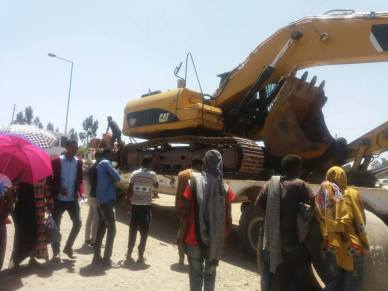 Photo Credit AS.
As late as Wednesday and Thursday more excavators were arriving
The story of the growing numbers of Ethiopians (115 as of yet) who died buried under a pile of Addis Abeba’s solid waste first broke nearly 12 hours after it struck. For such a story about Ethiopia’s “forsaken” [“we are the forsaken; why would anyone care, right?”], it was neither surprising nor unexpected.
In the shadow of death
Officially known as “Reppi” landfill (commonly called by its local name Qoshe in Amharic) the area is a mountain of an open dumpsite where millions of tons of solid waste collected from the sprawling capital, home to some four to five million inhabitants, has simply been disposed off for more than half a century.
Established 54 years ago, and occupying 37ha surface area, Qoshe is not your ideal landfill. For starters, its surroundings on all four sides is home to both plastic makeshift shelters and poorly constructed mud & wood houses that shelter hundreds of people, a figure by far bigger than what the government admits as ‘houses’ with registered title deeds; and unlike repeated media reports that followed the tragic incident, the residents of the plastic makeshift and mud & wood houses are not all rubbish scavengers. “I work at the Ethiopian electric power corporation,” said Alemayehu Teklu, a father of four who, as of this writing, is still looking for his three children and his wife. “Only my first born son survived because he was not at home the night the garbage mountain caved in.”
Alemayehu and his family resettled in the area ten years ago when several shanty towns were demolished in many parts of Addis Abeba city to give way to new high rising buildings. “We had a two bedroom old house near Kazanchis that belonged to the families of my wife. The Kebele administrators had told us we should evacuate in two months but our house was demolished within three weeks after we were served with the notice,” Alemayehu said, “we were paid 70,000 birr [roughly $2, 500 in today’s exchange rate] as value for our house and were told we would be given a plot in one of the outskirts of the city. No one ever responded to our repeated pleas afterward and I settled my family here after buying the plot for 10, 000 birr.” Struggling to contain his tears, Alemayehu said: “we are the forsaken; why would anyone care, right?”
The massive scale of decades-old evictions of the poor from the center of the city, which is, by all measures, a corruption-infested practice by city administration officials, means there are countless stories similar to Alemayehu’s. None of the dozen interviewees approached by Addis Standard say they become residents of an area surrounding a mountain of waste by choice. These include Mintiwab Gushe, a mother of four who lived in the area for the last 35 years, gave birth to all her children in the same mud & wood house they now remain buried under. Mintiwab is unable to compose herself to talk. And others, such as Gurmu Kidane and his now missing family of two have come to Qoshe as recently as June 2016, when more than 200 special police task force units have started demolishing houses in Nefas Silk Lafto Kifle Ketema in western Addis Abeba, which city authorities claimed were built illegally since 2005. “My family and I came here after losing our house because my sister who got a new condominium unit and had rented her house here in Qoshe gave it to me so I can shelter my family,” said Gurmu. He owns a cement mixer and lives off renting it to construction sites. His 16 years old daughter and his wife are now among the missing.
But the area surrounding Qoshe is not just home to the 200 or so households known to the city Administration; there are at least “500 households most of which also rent additional quarters to tenants,” said a young man who wants to remain anonymous. Here is where the story of Hadya Hassan, 72, fits. She rented her house to 13 different people who came from different parts of the country in search of labor. They are unregistered anywhere hence unknown to city officials. “We have been submitting requests to be relocated to our respective Kebele officials for years. Today, they came to see us mourn,” Hadiya told Addis Standard.
Haunted by collect and dump
Until 2014, Qoshe has consolidated its notoriety as the only open dumpsite that outlived its original purpose. For 54 years, it served as a dumpsite while having no facilities such as fences, drainage systems, odor control, or recycling methods.
“The present method of disposal is crude open dumping: hauling the wastes by truck, spreading and leveling by bulldozer and compacting by compactor or bulldozer,” admitted a research overview paper commissioned by the Addis Abeba City Administration in 2010 and was delivered to the UN Habitat. It also estimated that about 200,000 tons of waste was annually produced in Addis Abeba alone, of which 76% is generated from domestic households.
The ten-years-old commissioned review is an early sign that city authorities have long been haunted by the black mountain of dumpsite they have created half a century ago and have subsequently failed to manage properly. Nor have they been short of policy recommendations from think-tank organizations funded by foreign governments. “Adequate planning of waste management is essential if communities and regions are to successfully address the challenge of a sustainable development, including resource conservation, climate protection, and pollution prevention,” reads one such action brief written in 2010 and was partially funded by the German government’s ministry of education.
The Addis Abeba City Government Cleaning Management Agency, an agency accountable to the city administration, began taking the ensuing disaster at Qoshe a little more seriously around 2009, according to an official in the agency who spoke to Addis Standard but wants to remain anonymous because “now is a sensitive time.”
“At that time, authorities have begun to discuss selecting alternative sites and the closure and eventual transformation into a public park of Qoshe. Project proposals were submitted to several donors to conduct feasibility studies to open a modern dumpsite, which would also be used to generate green energy,” he said. Several donors, including the US, have responded positively and have provided large amounts of grants to the city administration,” he said, without mentioning the exact amount of money. “It was a lot.”
This was followed by a binge of workshops, both by the city administration and donors, research works, study tours to foreign capitals for high-level city officials including the Mayor, Diriba Kuma, and proposals on alternative sites and type of a state-of-the-art dumpsite.
As the spree of talks and workshops began to take shape, in a process the details of which is shrouded in backdoor negotiations, in 2012 the Addis Abeba city administration decided to obtain 136ha land in Sendafa, some 30km northeast of Addis Abeba, and is home to hundreds of farmers. As of now, Addis Standard is not able to verify the availability of documents, if any, detailing the process and eventual decision by the city administration to acquire this plot of land in Sendafa.
Be that as it may, with a US$337 million grant secured from the French government, and a project office assigned to do the job – Addis Abeba Waste Recycling & Disposal Project Office – the city administration looked poised to turn Sendafa Sanitary Landfill become everything Qoshe was not in more than 50 years of its history.
Sendafa Sanitary Landfill had a US$27.6 million initial budget; it is supposedly guided by an elaborated Environmental and Social Impact Assessment report; it had a 40 million birr [roughly US$1.8 million] compensation scheme for the farmers to be displaced by the project; it was benefiting from the rich experience of VINCI Grands Projets, a French construction company (coincidence?); it was to be assisted by four separate waste transfer stations for preliminary treatment of waste; and city officials determined to change the city’s face defiled by the solid waste its residents keep on producing and dumping carelessly. Sendafa Sanitary Landfill had everything to become a modern-day landfill.
Simultaneously, city administration officials have assigned a US$158 million for a project to turn Qoshe into a 50mw waste-to-energy plant and have awarded the contract to the UK-based Cambridge Industries; this was to be followed by yet another ambitious work to turn Qoshe into a green public park. This plan to green Qoshe was receiving institutional guidance, including from the Addis Abeba University (AAU) and the Horn of Africa Regional Environmental Center and Network (HoARE&N).
If the French government came to the financial rescue of the Sendafa Sanitary Landfill, turning Qoshe into a waste-to-energy plant and a green park is enjoying a large sum of donors’ money Ethiopia is receiving in grants as part of its newly designed Climate–Resilient Green Economy (CRGE) planned to last for 20 years at cost of US$150 billion. One of the four pillars stated in this new lucrative project is the government’s wish to expand “electricity generation form renewable energy for domestic and regional markets.” Among the major contributors to this project are the United Nations Development Assistance Frameworks (UNDAFs) and OECD countries.
However, reminiscent of delays the Sendafa Sendafa Sanitary Landfill experienced, the Qoshe waste-to-energy project has already missed its opening deadline several times.
What really went wrong?
Delayed as it may, Sendafa Sanitary Landfill opened in February 2016; Qoshe took its first break in 53 years. But six months into its service, Sendafa Sanitary Landfill imploded, leaving Addis Abeba to explode with its waste.
In July 2016, farmers living in and around the new landfill have forced garbage trucks to stop dumping the city’s unsorted, crude waste in the landfill.
At the heart of the matter is the US$27.6 worth landfill which looked nowhere close to its plans on paper. “VINCI Grands Projets was paid may be half of the initial amount it won the contract for and even that, it was done in bits and pieces with several delays. The company was also not able to receive the hard currency it needed to import some of the equipment it badly needed” said a project team member at the Addis Abeba Waste Recycling & Disposal Project Office, who also spoke to Addis Standard on conditions that he remains anonymous. “And yet authorities from the city administration have rushed the opening of the landfill before it was fully completed.”
Addis Standard is unable to hear from VINCI Grands Projets representatives because its office is nowhere to be found in the addresses it listed was its location: “Sendafa Subcity – Woreda 13 and Yeka Subcity – Woreda 13 (Ayat Village Zone 06) Legetafo road.” And there is no registered telephone line under the company, or at the very least, operators at the state owned telecom giant are not aware of it.
But that doesn’t change the fact that Sendafa Sanitary Landfill was not only incomplete when it started receiving the city’s solid waste, but also none of the four waste transfer stations incorporated in the plan were built. These were sites designed to serve as preliminary waste treatment sites and were planned to be built simultaneously in four separate sites including Akaki sub city and Reppi itself.
“And yet, in Oct. 2016, the Addis Ababa City Government Cleaning Management Agency spent close to US$5 million to purchase 25 compactors and ten road sweepers designed to be given to all sub-cities to boost the existing, old compactors in order to dispose off the city’s waste in an efficient manner at the designated waste transfer sites. This was the second time the agency made such huge investment to buy compactors. Already in 2012, it bought 19 compactors at a cost of US$3.9 million; almost all of them were sitting idle by the time Sendafa Sanitary Landfill was opened,” our source at the Agency said.
Having consumed millions of dollars, but being not much of use in a city that never knew how to sort its garbage, Sendafa was quickly becoming just another Qoshe and the farmers were a storm in wait.
Under-compensated (of the 40 million birr originally assigned as compensations package, an official from the Solid Waste Recycling and Disposal project Office admitted having disbursed only 25 million – but the actual payment is even less than five million birr); dispossessed of their land; lied to as they were told their land was needed for future construction of an airport; and forced to live near a landfill that already started to stink, the Sendafa farmers have refused to accept nothing less than the total closure of the landfill.
And as the yearlong anti-government protests that started in Nov. 2015 continued to gather momentum, questions also began popping up; questions that probe the tumultuous power the city of Addis Abeba exercises over its surrounding villages administratively belonging to the Oromia regional state. Authorities both from the city administration and the Oromia regional state were locked in last minute discussions to avoid the fallout, and find ways to re-open a US$27 million worth new landfill, to no avail.
 Photo Credit AS.
A city threatned by trash
As the pile of solid waste threatened Addis Abeba in the middle of the summer rainy season, the city administration decided to quietly reopen Qoshe.
Not the old Qoshe anymore
But in the six months since Qoshe was going through its eventual closure, Reppi as an area has completely changed. The real estate market in its surroundings, hyper inflated by the promise of a future public park and the ever increasing land value in Addis Abeba, has boomed. Construction sites near Qoshe have mushroomed, and bulldozing excavators have begun working aggressively for several projects the poor residents of the area know nothing about. “One day before the collapse of the trash, several bulldozers were ploughing the earth for what one of the operators carelessly told us was an ‘important government project’,” said Gebresselasie Mekuria, a resident at the western end of Qoshe landfill. “The smell was getting worse and we have filled our complaints to the Kebele officials asking them to relocate us; they responded to us as if we were mad people; as if living in this hell on earth is our preordained destiny.”
Meanwhile, while the planned constriction of the 50mw waste-to-energy plant is still ongoing, the plan for earlier promises to turn Qoshe into a green public park has stalled. With the collapse of the black mountain, its residents are now left with nothing but unknown numbers of victims.
 photo credit AS.
The new waste-to-energey plant from outside
For the hundreds of these people who lived in the shadow of death, death is a routine exercise; and every time it happens, it leaves in its devastating wake a trail of lives altered forever. That is what happened on Saturday night to Bethlehem Yared, 16, who feels the burden of not been able to save her six years old brother who “decided to hide under the sofa when I ran for my life and asked him to follow me; I had to leave him behind”. Another one, Ayalew Negussie, who survived with his family, is deeply disoriented because “I lost all of my neighbors and friends whom I knew longer than I knew my children”; and Bedria Jibril, who is unable to “think anymore” after losing everything she has in less than 25 minutes. “I only left the house to buy milk for my one-year-old son and when I came back, I couldn’t find where my house was; I lost my husband and my two children all in less than 25 minutes.”
The collapse of this mountain of waste also deprived a means of income to no less than 300 waste pickers who scour it every day. Some of these are residents of the area, but many come from the city in search of something valuable, including food.
Qoshe is not new to life-devouring accidents. In 2015, a flashflood had displaced more than 70 households, many of which are plastic makeshift; in 2014, shortly before the closure of the dumpsite, a small collapse triggered by waste pickers had killed about 13 of them.
But on Saturday March 9, the black mountain of dirt finally decided to end sheltering the people who have taken refuge in it from a city that loathes them but loves their labor. Sadly, their story is not only a story of a waste mountain that collapsed on them, but has a trail of corruption and criminal negligence that left survivors with nothing but counting the bodies of their loved ones.
Source: Addisstandard
ዶ/ር መረራ ጉዲና ያቀረቡት የዋስትና መብት ጥያቄ ውድቅ ተደረገባቸው
(አዲስ ሚዲያ) ባለፈው የካቲት 24 ቀን 2009 ዓ. ም. በነበረው ቀጠሮ ዶ/ር መረራ ጉዲና በጠበቃቸው አማካኝነት የዋስትና መብታቸው እንዲከበር ጥያቄ አቅርበው ነበር። በዚህም ምክንያት የካቲት 30 ቀን 2009 ዓ. ም. አቃቤ ህግ ባቀረበው የዋስትና ጥያቄ ላይ ያለውን ተቃውሞ አቅርቦ፤ ለመጋቢት 1 ቀን 2009 ዓ. ም. ተይዞ የነበረው ቀጠሮ በዋስትናው ጉዳይ ላይ መርምሮ ብይን ለመስጠት ነበር።

ዶ/ር መረራ ጉዲና
ዳኞች በሁለቱም ወገን የቀረበውን ክርክር መመርመራቸውን ገልፀዋል፥ የዋስትና መብት በህገ መንግስቱ የተደነገገ ቢሆንም ፍፁም መብት ሳይሆን በህግ አግባብ ሊገደብ የሚችል እንደሆነ ጠቅሰው ዶ/ር መረራ ያቀረቡትን የዋስትና ጥያቄ ከዚህ አግባብ መታየት ያለበት ጉዳይ እንደሆነ ተናግረዋል።
ዳኞች በማስከተልም የወንጀለኛ መቅጫ ህግ ስነ-ስርዐት አንቀፅ 63 ንዑስ አንቀፅ 1 ላይ “ማንኛውም የተያዘ ሰው የተከሰሰበት ወንጀል የሞት ቅጣትን ወይም አስራ አምስት አመት ወይም በላይ የሆነ ፅኑ እስራት የማያስቀጣ ከሆነ እና ወንጀል የተፈፀመበት ሰው በደረሰበት ጉዳት የማይሞት የሆነ እንደ ሆነ ፍርድ ቤቱ የዋስትና ወረቀት አስፈርሞ መልቀቅ ይችላል፡፡” እንደሚል ጠቅሰው፤ ዶ/ር መረራ ላይ የቀረበባቸው የመጀመሪያ ክስ (ወንጀለኛ መቅጫ አንቀፅ 32፣ 38 እና 238) የሚያስቀጣው የእድሜ ልክ እስራት ወይም የሞት ቅጣት በመሆኑ የዋስትና መብት እንደማይፈቀድላቸው ገልፀው ቃሊቲ ማረሚያ ቤት ሆነው ክሳቸውን እንዲከታተሉ አዘዋል።
ዶ/ር መረራም የዋስትና መብት እንዳልተፈቀደላቸው ከሰሙ በኋላ
“1ኛ.ከእነ ጄኔራል መንግስቱ ንዋይና ጄኔራል ታደሰ ብሩ ዘመን ጀምሮ ከአንድ ትውልድ በላይ ገዳዮችን፣ ሟቾች፣ አሳሪዎችና ታሳሪዎች በበዙበት የሃገራችን የፓለቲካ አላማ ውስጥ በመቆየት አንድ ከሆዱ በላይ ለሃገሩ የሚያስብ ምሁር ማድረግ እንዳለበት ሁሉ ከአርባ አምስት ዓመታት በላይ ለሃገሬ የተሻለ ለውጥ እንዲመጣ መታገሌ እየታወቀ ወደ ጎን መገፋቱ ፤
2ኛ. ለሁላችንም የምትሆንና በእኩልነት የምታስተናግደን፣ ዲሞክራሲያዊት ኢትዮጵያ እንድትፈጠር ነፃ የፍትህ ስርአት በሃገራችን እንዲሰፍን ላለፉት 25 አመታት በመታገሌ፤ መከሰሴ አንሶ የሃገሪቱ ፓርላማ አባል ጭምር የነበርኩ ሰው ለተራ ወንጀለኛ የሚፈቅድ የዋስ መብት በመከልከሌ የተሰማኝ ጥልቅ ሃዘን ለራሴ ብቻ ሳይሆን እኛም ሆነ ልጆቻችን በሰላም ይኖሩበታል ለምንለው መከረኛ ሃገራችን አላልፍለት ብሎ ሲታመስ ለሚኖረው መከረኛ ህዝባችን ጭምር መሆኑን እንዲታወቅልኝ ነው።” ሲሉ ተናግረዋል።
በመጨረሻም በክሱ ላይ የሚቀርብ መቃወሚያ ለመቀበል ለሚያዚያ 16 ቀን 2009 ዓ.ም. ቀጠሮ ሰጥቷል። የተቀሩት ተከሳሾችን በተመለከተ በጋዜጣ እንዲወጣ የታዘዘው የጥሪ ማስታወቂያን ለማየት ለመጋቢት 29 ቀን 2009 ዓ. ም. የተያዘው ቀጠሮ እንደተጠበቀ መሆኑን በመግለፅ በዕለቱም ዶ/ር መረራ መቅረብ እንዳለባቸው ፍርድ ቤቱ ሲናገር ተደምጧል።
 Dagumedia