Human Rights Counsel Ethiopia has released human rights abuses report
Liyat Fekade
Addis Ababa, June 09/2017 – Human Rights Council (HRCO) Ethiopia, a non-profit, non-governmental organisation, has released 49 pages of report detailing widespread human right abuses committed by the security under the current State of Emergency, first declared on Oct. 08, 2016, and extended by four more months in March 2017.
In the report, which was originally published on May 29th, but was largely unseen due to the week-long nationwide internet blackout, HRCO documented details of abuses, including extrajudicial killings, torture, and imprisonment committed in 18 Zones and 42 Woredas of three regional states: Oromia, Amhara and Southern Nations, Nationalities and People’s Region (SNNPR) states as well as abuses committed in ten different Kifle Ketemas (administrative unites) in the capital Addis Abeba.
The detailed accounts of the report covered the months between October 2016 and May 2017 – of which HRCO said it held field assessments between October 2016 and February 2017. Accordingly, HRCO published names, background information as well the circumstances of extrajudicial killings of 19 people in various places. Fifteen of those were from the Oromia regional state, the epicenter of the year-long antigovernment protests, while three were from SNNPR and one was from the Amhara regional state. The account of the 19 killed included the Oct. 10, 2016 gruesome killing by security officials of Abdisa Jemal and two of his brothers, Merhabu Jemal and Tolla Jemal, in east Arsi Zone, Shirka Woreda, Gobesa 01 Kebele, some 270km south east of the capital Addis Abeba.
HRCO also documented the detention of 8,778 individuals from Oromia regional state followed by 5, 769 people from SNNPR, 640 from Amhara, 411 from the capital Addis Abeba and one from the Afar regional state. A total of 6, 926 individuals were also detained from unspecified locations, bringing the total number of people detained in the wake of the state of emergency to 22, 525. It also criticized the inhuman conditions faced by detainees in many of the detention camps.
Out of the 22, 525 people, 13, 260 were detained in several facilities including military camps, colleges and city administration halls located in Oromia regional state, while 5, 764 of them were detained in Amhara regional state; 2, 355 were detained in Afar and 430 were detained in the capital Addis Abeba. This list includes list of names such as journalist Elias Gebru and opposition politician Daniel Shibeshi, who have recently been charged after months of detention. HRCO also said 110 people were held at unknown locations.
HRCO’s report came a little over one month after the Ethiopian Human Rights Commission, (EHRC), a government body tasked to investigate recent anti-government protests that rocked Ethiopia, admitted in April that a total of 669 Ethiopians were killed during the 2016 widespread anti-government protests. EHRC’s report, however, has not been released to the wider public, yet.
According to the government’s own account more than 26 thousand Ethiopians were detained in various places including military camps. This number is including those who were detained prior to the state of emergency. More than 20 thousand have since been released but about 5,000 are currently facing trials in various places.
Owing to Ethiopia’s outright refusal to accept outside independent investigation, including from the UN Human Rights Commission, ERCO’s report stands as the only independent investigation into widespread state violence in Ethiopia.
AddisStandard
ጋዜጠኛ ጌታቸው ሽፈራው አንድ ዓመት ከ6 ወር እስር ተፈረደበት
(አዲስ ሚዲያ) የነገረ ኢትዮጵያ ጋዜጣ ዋና አዘጋጅ ጋዜጠኛ ጌታቸው ሽፈራው በፌደራል አቃብ ህግ በተመሰረተበት ክስ ከአንድ ዓመት ከ አምስት ወር እስር በኋላ የፌደራሉ ከፍተኛው ፍርድ ቤት አዲስ አበባ ልደታ ምድብ ችሎት ግንቦት 18 ቀን 2009 ዓ. ም. የ 1 ዓምት ከ 6 ወር የቅጣት እስር ፈርዶበታል።
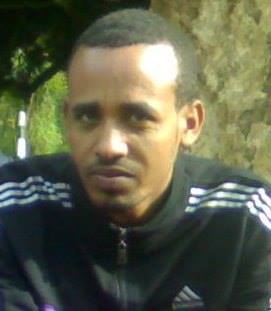
ጋዜጠኛ ጌታቸው ሽፈራው
ጋዜጠኛው ከህዳር 2008 ዓ. ም. ጅምሮ የነበረውን ህዝባዊ ተቃውሞ ተከትሎ ሲታሰር፥ ቀደም ሲል የሽብርተኝነት ክስ ተመስርቶበት የነበረ ቢሆንም፤ በመጨረሻም ፍርድ ቤቱ ክሱን ወደ መደበኛ ወንጀል ክስ ዝቅ በማድረግ አመፅ ማነሳሳት በሚል ክስ የቅጣት ውሳኔውን ማሳለፉን አሳውቋል። ይሁን እንጂ ጋዜጠኛው ለተላለፈበት የቅጣት ውሳን ብይን የቅጣት ማቅለያ እንዲያቀርብ ፍርድ ቤቱ ቢጠይቀውም ጋዜጠናው ባልሰራሁት ወንጀል የምጠይቀው የቅጣት ማቅለያ የለም በማለት የፍርድ ቤቱን ጥያቄ ውድቅ ማድረጉ ታውቋል።
ጋዜጠኛው ክስ የተመሰረተበትና የ1 ዓመት ከ6 ወር እስር ቅጣት የተጣለበት፤ በፌስ ቡክ ማኅበራው ሚዲያ በውጭ ከሚገኝ ጋዜጠኛ በተለይም መቀመጫውን ዋሸንግተን ዲሲ ካደረገው ጋዜጠኛ አበበ ገላው ጋር መልዕክት ተለዋውጠሃል፥ አመፅ ቀስቅሰሃል የሚል እንደነበር የቀረበበት ክስ አመልክቷል።
ጋዜጠኛው ህትመቱና ስርጭቱ በመንግሥት እንዲቋረጥ ከተደረገው የነገረ ኢትዮጵያ ጋዜጣ ዋና አዘጋጅ ሆኖ ከማገልገሉ በተጨማሪ በተለያዩ መፅሔቶች፥ ጋዜጦችና ድረ-ገፆች ላይም የተለያዩ ፖለቲካዊ፥ ሰብዓዊ መብትና ማኅበራዊ ጉዳዮች ላይ ትኩረት ያደረጉ በርካታ ፅሑፎችንም ያበረክት እንደነበር ይታወቃል። ይህ በእንዲህ እንዳለ ሰኔ 2006 ዓ ም በመንግሥት እውቅና ተነፍጎት አባላቱና አመራሩ ምንም ዓይነት የስራ እንቅስቃሴ እንዳያደርጉ እግድ የተጣለብት የኢትዮጵያ ጋዜጠኞች መድረክ (ኢጋመ) መስራችና አስተባባሪ እንደነበር ይታወቃል።
ጋዜጠኛ ጌታቸው ከታህሳሥ 15 ቀን 2008 ዓ ም ጀምሮ በእስር ላይ ይገኛል።
በተለይ መንግሥት ህዝባዊ አመፁን ተከትሎ በወሰደው ርምጃ ጋዜጠኛ ጌታቸው ሽፈራውን ጨምሮ፥ ሌሎች ጋዜጠኞችና 60 ሺህ ያህል ሰላማዊ ዜጎች መታሰራቸውን የሀገርው ውስጥ የሰብዓዊ መብት አራማጆችና ተሟጋቾች መረጃ አመልክቷል።
የሰማያዊ ፓርቲ አመራር የነበረውና የመብት አራማጅ ዮናታን ተስፋዬ 6 ዓመት ከ6 ወር እስራት ተፈረደበት
(አዲስ ሚዲያ) የሰማያዊ ፓርቲ የቀድሞ የህዝብ ግንኙነት ኃላፊ፥ የ2007 ዓ. ም. በአዲስ አበባ የህዝብ ተወካዮች ምክር ቤት ዕጩና የመብት አራማጅ ወጣት ዮናታን ተስፋዬ ግንቦት 17 ቀን 2009 ዓ ም በዋለው ችሎት 6 ዓመት ከ6 ወር እስር ተፈርዶበታል።

ዮናታን ተስፋዬ
ወጣት ዮናታን ከህዳር 2008 ዓ. ም. ጀምሮ የተነሳውን ህዝባዊ አመፅ ተከትሎ ከታሰሩት በርካታ የፖለቲካ ፓርቲ አመራሮችና የመብት ተሟጋቾች መካከል አንዱ ነው።
ወጣት ዮናታን ተስፋዬ ደም ልገሳን ጭምሮ በተለያዩ ግብረ ሰናይ ተግባራት ላይም ይሳተፍ የነበረ ቢሆንም፥ ከታህሳሥ 17 ቀን 2008 ዓ ም ጀምሮ በእስር ላይ ይገኛል።
የፌደራል አቃቤ ህግ ክስ የመሰረተበት በፌስ ቡክ ማኅበራዊ ገፅ መንግሥት በዜጎች ላይ እየወሰደ የነበረውን ርምጃ የሚቃወሙና የሚተቹ ፅሑፎችን ፅፏል በሚል እንደሆነ የተመሰረተበት የክስ ሰነድ ያመለክታል።
በመጨረሻም የፌደራሉ ከፍተኛ ፍርድ ቤት የአዲስ አበባ ልደታ ምድብ ችሎት ግንቦት 17 ቀን 2009 ዓ ም በዋለው ችሎት በፌስ ቡክ ማኅበራዊ ገፅ የፃፋቸውን ፅሑፎች ብቻ እንደመረጃና ማስረጃ በመጠቀም 6 ዓመት ከ6 ወር እስራት ፈርዶበታል።
የቀድሞው አንድነት ፓርቲ አመራር የነበረችው አስቴር ስዩም ተፈረደባት
(አዲስ ሚዲያ) ወጣት አስቴር ስዩም የታአሰረችው ከሰኔ 25 ቀን 2007 ዓ ም ጀምሮ ትኖርበት ከነበረው ጎንደር ከእስር በተጨማሪ በርካታ ዜጎች በመንግሥት የፀጥታ ኃይሎች መገደላቸውን መቃወም ተከትሎ በደህንነት ኃይሎች ታፍነው አዲስ አበባ ማዕከላዊ ወንጀል ምርመራ ለወራት ከፍተኛ ስቃይና እንግልት ከደረሰባችው ሴቶችና ወጣቶች መካከል አንዷ ናት።
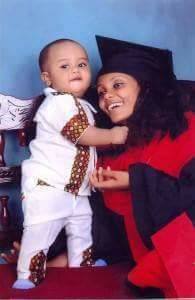
አስቴር ስዩም
የቀረበባትም ክስ ህዝባዊ አመፅ ማነሳሳት ሙከራ በሚል የፌደራል አቃቤ ህግ ክስ እንደነበር ያገኘው መረጃ አመልክቷል።
አስቴር ታፍና በመወሰድ ስትታሰር የ3 ወር ህፃን ልጇን ለወላጅ እናቷ ትታ የነበረ ቢሆንም፥ በማዕከላዊ ወንጀል ምርመራ ታስራ እያለ ወላጅ እናቷ ህይወታቸው ማለፉ ታውቋል።
ይሁን እንጂ፤ የፌደራሉ ከፍተኛ ፍርድ ቤት፥ የአድስ አበባ ልደታ ምድብ ችሎች ከ 23 ወራት እስርና የፍርድ ሂደት በኋላ ግንቦት 14 ቀን 2009 ዓ ም የ 4 ዓመት ፅኑ እስራት ተፈርዶባታል።
Ethiopia’s candidate for the World Health Organization doesn’t like mentioning a certain disease
By Paul Schemm
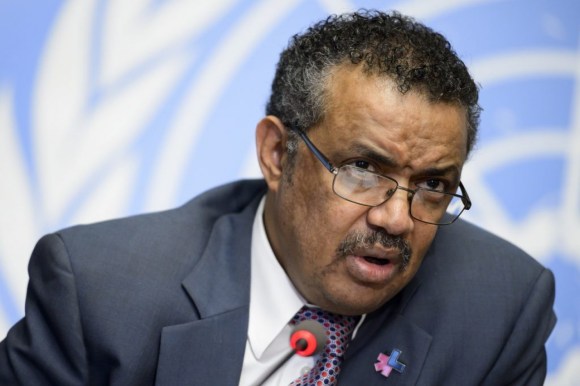
Ethiopia’s Tedros Adhanom Ghebreyesus is a candidate for director general of the World Health Organization. (Fabrice Coffrini/AFP via Getty Images)
ADDIS ABABA, Ethiopia — Despite warnings from its own experts, the World Health Organization took two months to declare the devastating Ebola outbreak in 2014 an emergency, during which time 1,000 people died in West Africa. Leaked emails later revealed that officials were loath to call it an epidemic for fear of angering the African countries involved and hurting their economies.
The WHO’s handling of the outbreak, which went on to kill more than 11,000 people, has been seen as a sign of the desperate need to reform this global organization, which is responsible for marshaling the global response to epidemics.
On May 22, member state will choose among three candidates — all of whom have pledged deep changes to the organization — vying for the post of WHO director general. One of the candidates, however, has been accused of the same kind of emergency-related minimization of crises that marred the WHO’s response to the Ebola outbreak.
Tedros Adhanom Ghebreyesus, 52, Ethiopia’s health minister from 2005 to 2012 and foreign minister until 2016, is a strong candidate for the post, backed by the African Union as well as countries in the Pacific and the Caribbean. He has an impressive track record in Ethiopia. The country also covered up cholera outbreaks under his watch.
The candidate, who goes by his first name and campaigns as Dr. Tedros, presided over a dramatic expansion of Ethiopia’s health system and reductions in infant and maternal mortality as well as deaths from malaria. He also extended the reach of the health system deep into remote rural areas.
In the past 10 years, Ethiopia is also the only country in the Horn of Africa that has not been touched by cholera — according to the government. Critics disagree.
Since a cholera outbreak in 2006 in the Oromia region, Ethiopia has referred to the disease as “acute watery diarrhea” (AWD), essentially a symptom of the deadly waterborne cholera, which is caused by the Vibrio cholerae bacterium. Tests at the time by the United Nations confirmed that it was actually cholera.
The likely rationale for not calling the disease cholera is the same one that delayed the labeling of the Ebola outbreak an emergency in 2014 — it would make Ethiopia look bad, hurt tourism and could result in some countries banning food exports from Ethiopia.
It is not clear whether Tedros had any input in the government’s decision to stop using the term “cholera,” but the change occurred during his tenure as health minister.
Since then, there have been several AWD outbreaks, including in Addis Ababa in 2016 and in the drought-hit Somali region, where more than 16,000 have been diagnosed since January and 3,500 new cases are being declared every month. None have been identified as cholera.
Yet under the rules of the WHO, countries are supposed to report outbreaks of such diseases.
The Ethiopian government is fighting the outbreak, regardless of what it is called. The Health Ministry sent 1,200 health professionals, including 500 nurses and 68 doctors, to affected areas this year and set up 100 treatment centers.
On Tuesday, the ministry issued a statement carried on Tedros’s website that said: “We are working to establish robust surveillance systems for critical diseases … acute watery diarrheal diseases including cholera is of course included in this effort.” The statement went on to praise Tedros’s tenure as health minister and noted that “despite hosting the largest number of refugees in Africa, Ethiopia has a lower rate of childhood deaths from diarrheal diseases than Africa as a whole.”
But international aid organizations have privately expressed frustration at Ethiopia’s refusal to call the disease cholera; such a move would trigger an international response.
Human Rights Watch says local health workers are under pressure not to refer to the disease as cholera.
“We have interviewed a number of health professionals who have been pressured by government officials not to refer to cholera outbreaks as such, instead referring to outbreaks as ‘diarrhea’ or AWD,” said Felix Horne, the organization’s researcher for Ethiopia. “This is emblematic of the control that government exerts over some of its health professionals — there is little space to question health policies or to challenge the government’s success narratives.” So while neighboring Somalia, South Sudan and Kenya have cholera outbreaks, Ethiopia just has diarrhea outbreaks.
The Ethiopian Medical Association has endorsed Tedros’s candidacy, saying Wednesday that he would bring a fresh perspective to the WHO. “One that is rooted in the reality of what it takes to design and implement change in a country that is resource-constrained with a high disease burden,” said the association’s president, Gemechis Mamo. He would not comment on the cholera-denial accusations.
“We have been informed that it was acute watery diarrhea,” he said.
Critics say the lack of transparency is part of the repressive nature of the state. Much of the opposition to Tedros’s candidacy emanates from the Ethiopian diaspora, which has taken to social media to criticize his ties (he is a member of the ruling party political bureau) to a government known for its poor human rights record and for suppressing debate. Their campaign even has its own hashtag.

The opposition, though, is increasingly mixed up in the bitter ethnic politics of Ethiopia. Tedros, like many influential people in government and business, is from the northern Tigray region, home of the rebel group that overthrew the socialist regime in 1991.
Some from the larger Oromo and Amhara ethnic groups, which together make up nearly two-thirds of the country’s population, allege favoritism by the government for the Tigrayans — leading Tedros supporters to dismiss their complaints as ethnically driven.
In interviews, Tedros says he has the practical and managerial experience to deal with global health challenges.
“I was born in Africa, I was brought up in Africa, and I have seen firsthand how actually, the scourge of diseases — it has affected communities, my own village and also communities, and even myself as a victim,” he said in a January interview.
Source: The Washington Post.
 Dagumedia