አቶ አሰፋ ጫቦ አረፉ
ዮሐንስ ሞላ
አቶ አሰፋ ጫቦ ከአባቱ ከጫቦ ሣዴ ሃማ ያሬና ከእናቱ ከማቱኬ አጀን ከተራራ አናት ላይ ከሚገኝ ሜዳማ ቦታ ላይ ጨንቻ ከተማ ነው የተወለደው፡፡ከጋሞ ሰንሰለት ተራራዋች አንዱ ጫፍ ላይ የሚገኝ ጠረጴዛ ነው ይላታል ጨንቻን ሲገልጣት ከ2-6ኛ ክፍል እዚያው ጨንቻ የተማረ ሲሆን በዘጠኝ ዓመቱ የጨንቻ ገብርዔል ዲያቆን በመሆንም አገልግሏል በድቁናው ባገኘው ካፒታልም ጥቂት የዶሮና የበግ ግልገል ገዝቶበታል ሐሙስ ሐሙስን እየጠበቀ ኤዞ ገበያ ዶሮና እንቁላል አየነገደ ይውል ነበር ከእነሱም ውስጥ ት/ቤት ድረስ እየተከተሉ ያስቸግሩት የዶሮና የበግ ግልገልም ነበረው እንደፈረንጆቹ pet መሆናቸው ነው፡፡
የ8ኛ ክፍል ትምህርቱን በሻሸመኔ በኃላ ታሪኩን ሲያውቅ ስሙን ካላስቀየርኩ ብሎ ከታገለበት ከአጼ ናኦድ ት/ቤት ከ39 ተማሪዎች አንዱ በመሆን ነበር የተከታተለው የተዋቀረበትን ዋልታና ካስማ ያየበት ቆይታው በጋሞ ውስጥ ካሉ 40 ከሚሆኑ ‹ካዎ›ች አንዱ በሆኑት በዘመዱ በቀኛዝማች ኢሌታሞ ኢቻ ቤት በኖረበት ወቅት ነበር፡፡
ሲገልጻቸውም ‹በኢሌታሞና በሰዋች መሀከል የግንኙነት አጥር የለም፡፡ወግ ሳያበዙ ለህዝብ አሳቢና ተቆርቋሪ ናቸው ነው› የሚላቸው የጋሞ ካዎ የሚፈራ ሳይሆን የሚከበር ነው ይለናል፡፡ ገና በልጅነቱ ለህዝብ በመስራት እርካታ ማግኘት እንደሚቻልም የተገነዘበው በጉሌታ-አንዱሮ ግብር ተቀባይ ተደርጎ በቀኛዝማች ኤሌታሞ ሲመደብ ነው ፡፡ የሁለተኛ ደረጃ ትምህርቱን ከአዲስ አበባ ከኮከበ ጽባህ አቋርጦ ሲቪል አቪዬሺን ተቀጥሮ ባህር ዳር ሄደ፡፡ ‹ሀ› ብሎ የመጀመሪያውን ስራውንና የመጀመሪያ ልጁንም ያገኘው ጎጃም ነበር፡፡ ‹ጎጃሜ ተነቀለ› ብሎ ፖሊስና እርምጃው ላይ ጽፎ ጠፍቶ እስከወጣ ድረስ እዚው ነበር፡፡ በአዲስ አበባ ዩኒቨርስቲ ሕግ ት/ቤት LLB አግኝቶ የተመረቀ ሲሆን በዓለም አቀፍ የህግ ተማሪዋች ውድድር ከውጭ የምስክር ወረቀት ከንጉሱም የወርቅ ኦሜጋ ሰዓት ተሸልሟል፡፡
በ 1960 የህግ ተማሪ ሆኖ በአፍሪካ አዳራሽ የቀድሞ ተማሪዎች ማህበር ስብሰባ ላይ ከመጮህ ጀምሮ ይህው እስከእልፈተ ሞቱ ድረስ ለአገርና ለወገን ዋይታውን አላቋረጠም ነበር ፡፡ በአጠቃላይ የአጥቢያ ፍ/ቤት ጸሐፊ፤የበጅሮንድ ጽ/ቤት ተላላኪና ጸሐፊ የአየር መርማሪ (metrology) የህግ አማካሪ ሆኖ ሰርቷል፡፡በፖለቲካው መስክ ከተማሪዎች ንቅናቄ ባሻገር የሁለት ድርጅቶች መስራችና መሪ ሲሆን ከ 1966-1967 የልጅ እንዳልካቸው አዲሱ ካቢኔና የደርግ አውራጃ አስተዳዳሪ ሆኖ ጋርዱላ ሄዶ ነበር፡፡ በጄኔራል መብራቱ ፍስሃ ታስሮ እስከተባረረ ድረስ የፖለቲካ ድርጅት መስራችና መሪ፤የአውራጃ አስተዳዳሪ የመንግሰትና የባለስልጣን አማካሪ፤የህዝብ ተከራካሪ በመሆን በለውጡ ውስጥ ሰርቶእል፡ ፡
በኃላም በራሱ ከግቢ የመራቅ ጥያቄ አነሳሽነት ‹‹በችሎታው መጠን ሥራ ይሰጠው›› የሚለውን ሻምበል ፍቅረስላሴ ወግደረስ የፈረመበትን ደብዳቤ ይዞ መገናኛ ሚኒስቴር ወረደ፡፡ ከዚያ ነው እንግዲህ በየካቲት 1971 ዓ.ም መጀመሪያ ወደ ደርግ ጽ/ቤት ታፍኖ ተወስዶ ከዚያም በማዕከላዊ ታስሮ ከ 10 ዓመት ከ 6 ወራት ከ 6 ቀናት በኃላ የተፈታው፤ ማዕከላዊ እስር ቤት የሰው ገበያ ነበር ብሎ ሲገልፀው በ10 ዓመት የእስር ዘመኔ ውስጥ ከ100.000ሺ በላይ ሰው አይቼበታለው ይለናል ካያቸውም ውስጥ በባህርይ፣በቁመና፣በአለባበስና በስነምግባራቸው ጥሩ አድርጎ በመጻህፉ ውስጥ ይገልጻቸዋል፡፡
እንደተፈታም የአስኮ ጫማ ሱቅ የነበረበት ፎቅ ላይ የጥብቅናና የንግድ አማካሪ ቢሮ በመክፈት ሙግቱን አስረዝሞ ገንዘብና ጊዜ ከማባከን ይልቅ አስቀድሞ በድርድርና ከፍ/ቤት ውጭ ለመጨረስ ያደረገው ጥረትም ከዚሁ ከራሱ ማንነት የመነጨ ነው፡፡ በሽግግር መንግስቱ የምክር ቤት አባል በመሆንም በ 1983 አርባ ምንጭ ሄዶ ነበር ሁሉም አልሆን ሲለው ያለውዴታ በግድ አሜሪካ በስደተኝነት መጥቶ መኖሩን ጀመረ፡፡
በተፈጥሮው ሰው መጥላት የማይፈልገው አንጋፋው የሰብዓዊ መብት ተሟጋች፣ ቀጥተኛው፣ ብዕረኛው አቶ አሰፋ ጫቦ የ 73 ዓመት ባለዕድሜው የአራት ልጆች አባትና የዘጠኝ ልጆች አያት ነበር ፡፡
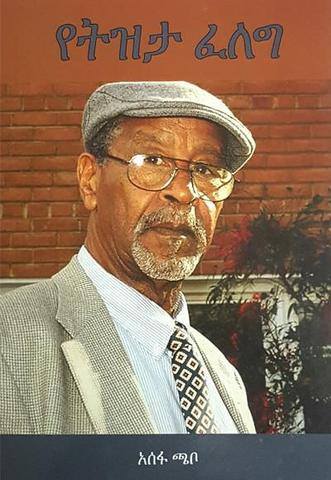
‹የትዝታ ፈለግ› በሚል ርዕስ ለንባብ ያበቃውን መጽሐፉን በምናነብበት ወቅት ብዙ ወደማናቃቸው ጊዜያትና ግለሰቦች ከመውሰዱም ሌላ የአጻጻፍ ውበቱ እጅግ ያስደንቃል የባህሪይ አቀራረፅ ችሎታውና የአካባቢ ስዕላዊ መግለጫው ያረካል ‹‹ነፍጠኛ›› ማለት አማራ ብቻ ነው ማለት እምነት እንጂ እውነት አንዳልሆነና ‹‹ነፍጠኛ›› በሚል የሚበጠብጠንን ጥያቄ ለመመለስ ናችሁ የተባልነውን ሳይሆን ውስጣችን ገብተን ሆነን ያለነውን እንድናስተውል ይጎተጉተናል፡፡
ዋታካዳ እንደሚጠሩት ‹‹ጋንታይናው›› ‹ጋትዬ› አሰፋ ጫቦ ዛሬ አብዛኛው እየፈራ እየሸሸ ምክንያቱን በሚደረደርበት ወቅት እሱ ምን አቅብጦኝ ከደርግ ጋር ገጠምኩ; ብሎ አያውቅም አምኖ እንጂ ምናምን ፍለጋ ወይም ሰው ገፍቶት እንዳልገባ በግልጽ አስቀምጦልናል እንዲያውም ‹በመሸ በጠባ ቁጥር በጥሼ የምቀጥለው ማተብ› የለኝም ይል ነበር በንባብ የዳበረ የበሰለ መሆኑን ከማሳየቱም ሌላ ስለ አሜሪካ መምጣትና መኖር ያካፈለው ምክር በቀላሉ የሚታይ አይደልም ስለስደቱ ዓለም ችግርና ውጥንቅጥ ሲጽፍም ስደተኛው በሃብት ድህነትና በአእምሮ ድህነት መሃከል ያለው ልዩነት የጠፋበት መምሰሉን ፍንትው አድርጎ አቅርቧል በአጠቃላይ ጆሮ ጠገብነት ማወቅን አለመተካቱን ያሳውቀናል
ጀግና ፍለጋ ጦር ሜዳ መሪዋች አምባ የፖለቲካ ሰዋች አምባ እንሄዳለን፡፡
ሲገኝ አገር ያውቀዋል ፀሃይ ይሞቀዋል ያልታወቁ በየቤቱ የታጨቁ ተራሰው የሆኑ ያልተሰጣቸውን በመፈጸም የጀግኑ አሉ ይላል ጋሞ ይላል ፤ ጋሞ ግብር ገበረ እንጂ ሥርዓቱን አልገበረም በማለት ጥፋቱን ስህተቱን በማመን መቀበልና ባደባባይ ይቅርታ መጠየቅ የጋሞነት ገላጭ አብሮ የተወለደ የውሰጥ ባህርይ መሆኑን በመተንተን ለየት ስላለው የአገርና የህዝብ አስተዳደር ሥርዓት ሲያጫውተን አንዳንዶቻችን በአገራችን ውስጥ ይህ መኖሩን ባለማወቃችን እንቆጫለን ወደዛሬያችን ለማምጣት በምኞት እንጋልባለን
ሌላው የጋሽ አሰፋ ትልቅነቱ እንደአንዳንዶቹ ፀሃፊዋች በራሱ አራት ነጥብ ዘግቶ እመኑልኝ ሳይለን ያየሁትና የኖርኩት እንጂ ያጠናሁት አይደልም ይላል በትዝታዋቹ ውስጥ እየሾለከ የሁላችንንም ትዝታ የቆሰቆሰውን ያህል ዛሬ በአገራችን ስለተንሰራፋው ሥርዓትም በማዘን እየገለጸ ወደተሻለ እንድንጓዝ ይማፀነናል፡፡
በእስራት ብዛት የህዝብ ነጻነት ታፍኖ የቀረበት ዘመንም አገርም አለመኖሩን በማስረገጥ የጋራ ቤታችን የሚፈለገውን መጠነኛ ጥገና በማካሄድ ፈንታ መናድ የመረጡትን አውግዞአቸዋል፡፡አገራቸውን ባለማወቅ ወይም ለማወቅ ባለመፈለግ ነቀዝ የበላው ቤት እንድትሆን ስለማድረጋቸው በመውቀስ ወደምትፈለገዋ ከስህተቷ ልምድ የቀሰመች አዲሲቷ ዲሞክራሲያዊት ኢትዮጽያን እንድንገነባ ይጣራል፡፡
አብርሃም ሊንከን እንዳለውና ጋሽ አሰፋም በመጽሃፉ ላይ እንደጠቀሰው ‹‹ማንንም ያለቂም እንድንመለከት፣ሁሉንም በልግስና እንድናቅፍ፣በሃቅ ላይ እንድንጸና፣አምላክም ይህንን ሐቅ እንድናይ እንዲረዳን እንማጸን፡፡
ጋሽ አሰፋ ጫቦ ያመነበትን እንደተናገረና እንደሰራ ሃገርና ወገኑን ወደ ተሻለ ደረጃ ለማድረስ እንደደከመ አለፈ፡፡ ይህን ታላቅ ሰው በህይወቱ እያለ በጣይቱ የትምህርትና የባህል ማህከል ጋብዘን በማስተናገዳችን ክብር ተሰምቶናል ፡፡ ብዕረⶉቻችን ጀግኖቻችን ጠበብቶቻችን ሳያልፉ ማክበር ግዴታችን መሆኑን እናምናለን፡፡
~ ጣይቱ የባህል ና የትምህርት ማህከል
Addis Ababa: When Name and Reality Don’t Match Up
Kebour Ghenna
Translate ‘Addis Ababa’ to a foreigner and her eyes glaze over at the thought of miles of beautiful parks, boulevards and streets lined up with ornamental prune trees, and pedestrian-friendly clean neighborhoods. Alas, the reality could not be further from the truth. Addis Ababa is today a dense, brutal, and crowded city, with serious deficiencies in housing, drinking water, power, sewerage, solid waste disposal, and other services. Everywhere we look, we see evidence of unthinkable inequality, deprivation and filth.
Fifty years ago, my father likened to say ‘There is no garden in Addis Ababa… Addis is in a garden.’ I suppose with the speed of growth Addis witnessed in the past few decades, and the scarcity of means with which it could respond to it, things must have gone out of control. Yes, cities are messy, complex places to administer. But what cities can be, is smarter about how they approach the issue. Today, Addis Ababa has the exclusive opportunity to reinvent its city centre. It can not only rejuvenate itself, but also give a preview of how an African City of the 21st Century could look like and function.
These last ten years, as large amount of area is freed up right in the heart of the city, the chance to plan a completely new activity centre for the city has arisen. Unfortunately, the redevelopment so far seems to be utterly sterile. Look at Arat Kilo (my home quarter), where there was once a vibrant community, busy alleys, family owned businesses, artisan workshops, small soccer fields and more, is today being replaced by new residents, soulless new assemblage of buildings with absolutely zero character or taste. And yet, poor Arat Kilo could have been one of the tourist attraction of the city, had it been allowed to keep its mixed-use habitats, and high-density neighborhoods and was provided with sewage systems, water, electricity, roads, wi-fis and other state of the art amenities, regardless of how slummy or messy it looked.
Go further to AYAT and beyond, a featureless new quarter.
Over the past decade and a half, the nation’s developers and government officials have replicated discredited urban planning templates, importing ideas that were tested, failed and long since abandoned in places like Europe and the US.
But the most amusing development of all is the attempt by the city to create a so called financial centre between Mexico Square and the National Bank of Ethiopia – which meant for the authorities replicating the plans for the Loop in Chicago or Canary Wharf in London, or Wall Street in New York. Here the containers are mistaken for the contents. But no one goes to Mexico Square to see the buildings.
That’s not all, now check out the development around the UNECA, where monotonous hotel buildings and bunch of apartments completely masked one of the magnificent UN campuses in the world. Today that complex is almost out of sight. A repeat around the AU Commission campus may be developing.
In the whole, the wrong sort of architecture and urban planning has been favored – an approach that favors, horizontal grouping of buildings (of any kind) instead of, say, business. And what’s frightening is the lack of citizens’ engagement in policymaking and the design of public services. So, to any Addis Ababian willing to listen – before it’s too late – it’s time to claim back the essence of the new flower or the image of Addis Ababa.
Here are six modest ideas:
First, let’s decide on the kind of city we, the citizens, want to have and then start rebuilding our city the way we want it. Ideally government should provide the land and the infrastructure, but beyond that, we should be free to build what we need, neighborhood by neighborhood, each with its own main street, shops, banks, schools, hospitals, entertainment centers etc . Each complex becoming a small town, and their numbers would make up this sprawling capital. Indeed, this was how Addis was founded at the start of the 20th century, with the then aristocrats and army commanders setting up their own camps i.e. Ras Mulugeta Sefer, Dejazmach Zewedu Abba Koran, Dejach Wube are some among others.
Today, many misunderstand Addis Ababa as informal and illogical because of the dualist notion of the city as divided into polar opposites: Urban and rural, rich and poor, formal and informal, order and mess. But Ethiopian culture accepts that mess and order are inseparable: this is why Ethiopians are so tolerant of urban forms that the West would see as “irrational” or “messy” — neighborhoods develop and slowly integrate with the larger urban system on their own terms. Addis was built with no zoning rules to become a fantastically integrated mixed-use city. With some imagination, involvement, and incremental development we can still build what would be a prosperous city where the inhabitants would preserve their customs and social organization. In other words, a city with character.
Second, let’s make (not talk) Addis the greenest city of Africa, a city that builds electric light train, but also provides a new way of thinking about urban living. A city moving from a consumer society to a collaborative society; a city that has high acceptance of public transit, bicycle pathways, and pedestrian walkways; a city that can encourage and support residents to grow their own food. Utopia? Not at all! It is in fact within our ability to change, say, within a time span of twenty years. Encouraging, say, small plot or integrated farming, known as permaculture, is an initiative everyone can be involved in, and make a small difference in their community and surrounding environment, it can even create employment, lots of it, for young people. As you might imagine, for a green future in Addis Ababa, multiple actions need to be taken: from localized high-level policy frameworks, to harnessing residents’ love for nature.
Third, let’s rethink our deference to car travel (a copy paste of another value and culture) and stop crafting our landscape around automotive transport. Look at New York city, note the compactness of its development, the fertile mix of commercial and residential uses, and the availability of public transportation. All that has made automobile ownership all but unnecessary in most of New York city. So why not adopt the same vision for Addis, and promote biking, buses and modern traffic systems, as well the building of pleasant sidewalks.
Fourth, let’s stop pushing out lower wage residents and service workers out to the far-off peripheries, where opportunities are fewest, where they can barely afford to live, and where their economic conditions continues to sink. Aren’t they part of the fabric of Addis Ababa? The future of our city should not be a city of dull, boring, rich people only.
Fifth, let’s build an inclusive Addis Ababa with strong community bonds, incorporating resilience, innovations and technologies in areas such as infrastructure, governance and security. For this is a necessary first step to get political, business and civic leaders to agree on a shared vision and common agenda for joint action on the city’s economic growth and inclusion. Of course collaboration does not happen naturally, particularly in view of past experiences and the way our Kebeles work, where politics and the ruling party members dominate the discourse. Still, I think residents can come together and make Addis a hotbed of high tech and the leading startup cities in Africa. Let’s catch up Nairobi and Kigali.
Which leads me to my sincerest piece of advice: If we have any ambition for creating inclusive, resilient, green, healthy, just, smart or livable Addis Ababa, then we should, above all, effectively tackle corruption.
የአስቸኳይ ጊዜ አዋጁ መራዘም እና የሚያስከትለው መዘዝ
ብስራት ወልደሚካኤል
ያለምንም የተፈጥሮ አደጋ ምክንያት የአስችኳይ ጊዜ አዋጅ አውጥቶ ላለፉት 6 ወራት ከቆየ በኋላ ለተጨማሪ 4 ወራት ማራዘሙን ገዥው ስርዓት ይፋ አድርጓል:: ይሄ የሚያሳየው ህወሓት/ኢህአዴግ ሙሉ ለሙሉ በሚባል ደረጃ የማስተዳደር አቅሙ መዳከሙን፥ ህዝባዊ ተቀባይነት ማጣቱን እና ህዝባዊ እምቢተኝነቱ በወታደራዊ እዝ የተዳፈነ ቢመስልም ጭራሽ እንዳልጠፋ ነው የሚነግረን::

በርግጥ የአዋጁ መራዘም የዜጎችን መብት በማፈን እና በመጨቆን ተጨማሪ የመብት ጥሰትን ዕድል የሚከፍት ነው። ይሁን እንጂ ስርዓቱ አዋጁን ህዝባዊ ተቃውሞዎችን ለማፈን የተጠቀመበት ቢሆንም በሌላ በኩል በራሱ ላይ ተጨማሪ የማያባራ ችግር እየፈጠረ ይገኛል። ምክንያቱም በህዝባዊ የፖለቲካ ማህበራዊና ኢኮኖሚያዊ መብቶች ጥያቄ ተቃውሞ ምክንያት አስቸኳይ አዋጅ በታሰሩበት ሀገር ምንም ዓይነት የመብት ዋስትና ስለማይኖር ከውጭ ወደ ሀገር ውስጥ የሚገባ የኢንቨስትመንት፥ የቱሪስት፥የዕርዳታ እና ትብብር እንቅስቃሴዎች በእጅጉ ይቀንሳሉ አሊያም ይቆማሉ::
በዚህም የውጭ ምንዛሪ እና የሀገር ውስጥ የኢኮኖሚ እንቅስቃሴ ይገደባል/ይደክማል:: ምክንያቱም በዜጎች የመብት ጥያቄ ምክንያት በአስቸኳይ አዋጅ ወታደራዊ ዕዝ ውስጥ ባለች ሀገር ውስጥ ምንም የደህንነት ዋስትና ስለማይኖር ደፍሮ መዋዕለ ነዋይ የሚያፈስ ባለሃብትና ጎብኚ አይኖርም:: ይህን ተከትሎ ከዚህ በፊት ሀገር ውስጥ የነበሩ የውጭ ባለሃብቶች በስራቸው የነበሩ ሰራተኞቻቸውን በማሰናበት ጓዛቸውን ጠቅልለው እንዲሄዱ በማድረግ የስራ አጡን ቁጥር በእጅጉ እንዲጨምር ያደርጋል::
በተጨማሪም የንግድ እንቅስቃሴ መዳከም እና የአቅርቦት እንዲሁም የሸቀጦችና መሰረታዊ ፍጆታዎች ዋጋ የበለጠ እየናረ እንዲሄድ ያደርገዋል:: ይሄ ደግሞ ለህዝባዊ ተቃውሞ ተጨማሪ ጉልበት ይሰጠዋል:: በመላ ሀገሪቱ ችግሮቹን ለመቆጣጠር የሚያስችል የገንዘብም ሆነ ፈቃደኛ የሚሆን የሰው ኃይል አይኖርም:: ስለዚህ የአስችኳይ ጊዜ አዋጁ መራዘም የዜጎችን መብቶችን ከመጨፍለቅ በተጨማሪ የመብት ጥያቄዎች እንዲበራከቱና ተጠናክረው እንዲቀጥሉ በማድረግ የስርዓቱን ውድቀት ያፋጥነዋል::
ምናልባት ገዥው ስርዓት የተፈጠረውን የውጭ ምንዛሪ እና የገንዘብ ችግር በጊዜያዊነት ለመቅረፍ ሲባል በሀገሪቱና በዜጎች ላይ ዘመን ተሻጋሪ የሆኑ ሌሎች ጎጂ ርምጃዎችንም ሊወስድ ይችላል:: ከነዚህም አንዱ በሀገሪቱ አሉ የሚባሉና እስካሁን በከፊል በሽርክናም ሆነ በሙሉ በሽያጭ ወደግል ያልተላለፉ የመንግሥት/የህዝብ የንግድ ኩባንያዎች እና ተቋማትን ለሽያጭ ሊያቀርብ ይችላል:: በዚህም የደህንነት ዋስትና በሌለበትና በእቸኳይ አዋጅ ወታድራዊ ዕዝ ስር ባለ ሀገር ነገ ምን ሊፈጠር እንደሚችል ስለምይታወቅ፤ ምናልባት በኢትዮጵያና በቀጠናው ላይ የፖለቲካ የበላይነት ለመያዝ ዙሪያ ጥምጥም ከሚያንዣብቡ የአረብ ባህረ-ሰላጤ ሀገራት በስተቀር የሚደፍር አይኖርም:: ይሄ ደግሞ ለስርዓቱ ተጨማሪ ራስ ምታት ነው::
ስለዚህ ያለው ብቸኛ የመፍትሄ አማራጭ ከተለመደውና ከተሰላቸው የስርዓቱ ኋላ ቀር ብልጣብልጥነት ፖለቲካ አካሄድ በመውጣት፤ የአስችኳይ ጊዜ አዋጁን ማንሳት፥ ከትዕቢትና እብሪት በዘለለ የህዝቡን ጥያቄ በተገቢው መንገድ በቀናነት መስማትና መመለስ፥ በግፍ የታሰሩ የህሊና እና የፖለቲካ እስረኞችን ያለምንም ቅድመ ሁኔታ መፍታት፥ ለህዝብና ለሀገር መብትና ጥቅም ከቆሙ በሀገር ውስጥና በውጭ ካሉ ተፎካካሪ የፖለቲካ ጅርጅቶች/ፓርቲዎች ጋር በገለልተኛ አካላት የሚመራና ገለልተኛ ስፍራ ግልፅ ድርድር ማድረግ ግድ ይላል። እንዲሁም ሐሳብን በነፃት የመግለፅና የፕሬስ ነፃነት ትግበራን ጨምሮ ቢያንስ በሀገሪቱ ሕግ መንግሥት ወረቀት ላይ የሰፈሩ መሰረታዊ የሰብዓዊና ዴሞክራሲያዊ መብቶች ተግባራዊ እንዲሆኑ ማድረግ።
ገዥው ስርዓት የህዝቡን ጥያቄ ወደጎን በመግፋት ወደተለመደው አፈና እና ጭቆና ለመመለስ ጊዜ መግዣ ይሆነኛል በሚል በሌለ ገንዘብና አቅም ወጣቱን በማይጨበጥ ማናባዊ የኢኮኖሚ አብዮት ለማታለል ከመሞከር ይልቅ፤ በሰጥቶ መቀበል መርህ ተግባራዊ የሚሆን ስምምነት ላይ በመድረስ የወታደራዊ ዕዙን በመደበኛ/ሲቭል አስተዳደር በመመለስ የአፈና የግድያ ተልዕኮ ፈፃሚ እና አስፈፃሚ የደህንነትና ወታደራዊ አካላት ከህገወጥ ድርጊታቸው ታቅበው ወደ መደበኛ ስፍራዎቻቸውና ስራዎቻቸው እንዲመለሱ ማድረግ የተሻሉ አማራጮች ናቸው:: አለበለዚያ አሁን ባለው መንገድ ነገሮች የሚቀጥሉ ከሆነ ችግሮቹ ተባብሰው በመቀጠል የሀገሪቱን እና የህዝቡን ህልውና እና ደህንነት አደጋ ላይ ከመጣል ባለፈ የስርዓቱን ውድቀት ያፋጥነው እንደሆነ እንጂ መፍትሄ ሊሆን አይችልም::
በጋምቤላ ክልል በሙርሌ ታጣቂዎች በተፈፀመ ጥቃት የ46 ሰዎች ህይወት አለፈ
ውድነህ ዘነብ
በጋምቤላ ክልል ባለፉት ስድስት ወራት ብቻ ከደቡብ ሱዳን ወደ ኢትዮጵያ ሰርገው እየገቡ በሚገኙ የሙርሌ ጎሳ የታጠቁ ኃይሎች 46 ሰዎች መገደላቸው ተገለጸ፡፡

ጋምቤላ ከጥቃቱ ሰለባዎች በከፊል
ከጋምቤላ ክልል ፀጥታና አስተዳደር ቢሮ የወጡ መረጃዎች እንደሚጠቁሙት፣ ከጥቅምት 27 እስከ መጋቢት 15 ቀን 2009 ዓ.ም. ባሉት ጊዜያት የ46 ሰዎች ሕይወት አልፏል፡፡ 76 ሕፃናት ታፍነው ተወስደዋል፡፡ ከዚህ በተጨማሪ 143 ከብቶች ተነድተው ተወስደዋል፡፡ 33 ቤቶች ከነንብረታቸው ተቃጥለዋል፡፡
የጋምቤላ ክልል ቴክኒክና ሙያ ማሠልጠኛ ቢሮ ኃላፊ ሆነው የካቲት 26 ቀን 2009 ዓ.ም. የተሾሙትና ቀደም ሲል የክልሉ ፀጥታና አስተዳደር ቢሮ ኃላፊ የነበሩት አቶ ኡቶው ኡኮት እንደገለጹት፣ የሙርሌ ታጣቂዎች በክልሉ እያደረሱ የሚገኙት ጥቃት አይሏል፡፡
አቶ ኡቶው ባለፉት አራት ወራት ታፍነው ከተወሰዱ ሕፃናት ስድስቱ ተመልሰዋል ብለዋል፡፡ የተነዱ ከብቶች ግን አልተመለሱም፡፡ ከተገደሉ 46 ዜጎች በተጨማሪ 17 ሰዎች ቆስለዋል ሲሉ አክለዋል፡፡
የጋምቤላ ክልል ፀጥታና አስተዳደር ቢሮ ኃላፊ ሆነው የተሾሙት አቶ ኡኩኝ ኦኬሎ ለሪፖርተር እንደገለጹት፣ የተወሰዱ ሕፃናትን ለማስመለስ ክልሉ ከፌዴራል መንግሥት ጋር በመቀናጀት እየሠራ ነው፡፡
‹‹አምና የተጀመረው ሕፃናትን ማስመለስና ችግሩ ዳግም እንዳይከሰት በዘላቂነት ለመፍታት የተለያዩ ሥራዎች እየተሠሩ ነው፤›› ሲሉ አዲሱ ተሿሚ አቶ ኡኩኝ ገልጸዋል፡፡
በጋምቤላ ክልል የሙርሌ ጎሳ የታጠቁ ኃይሎች የሚያደርሱት ጥቃት አዲስ ባይሆንም፣ ከ2008 ዓ.ም. በኋላ እየተባባሰ መጥቷል፡፡ ባለፈው ዓመት ሚያዚያ 2008 ዓ.ም. የደቡብ ሱዳን ሙርሌ ጎሳ የታጠቁ ኃይሎች የበርካታ ዜጎችን ሕይወት ከማጥፋት በተጨማሪ፣ ከ100 በላይ ሕፃናትን አፍነው መውሰዳቸው ይታወሳል፡፡
በዚህ ወቅት የሙርሌ የታጠቁ ኃይሎች ጥቃት በኢትዮጵያውያን ዘንድ ከፍተኛ ቁጣ ቀስቅሶ ነበር፡፡ ይህንን ችግር ለመፍታት መከላከያ ሠራዊት ዘግይቶም ቢሆን ወደ ደቡብ ሱዳን በመንቀሳቀስ ሕፃናቱን ለማስመለስ ሞክሯል፡፡
የመከላከያ ሚኒስትሩ አቶ ሲራጅ ፈጌሳ በቅርብ በሰጡት ጋዜጣዊ መግለጫ እንደገለጹት፣ የሙርሌ ጎሳ ታጣቂ ኃይሎች ጥቃት ረዥም ጊዜ ያስቆጠረና ከኋላቀር አስተሳሰብ የሚመነጭ ነው፡፡
‹‹መንግሥት ይህ ድርጊት መቀጠል የለበትም የሚል ግልጽ አቋም ወስዷል፤›› ያሉት አቶ ሲራጅ፣ ‹‹ይህንን ችግር በዘላቂነት ለመፍታት አስቸጋሪ የሆነው አካባቢው ረግራጋማ፣ ጥቅጥቅ ደን ያለበትና ለጉዞ አስቸጋሪ በመሆኑ ነው፤›› ብለዋል፡፡
ይህንን ችግር ለመፍታት በአስቸኳይ ጊዜ አዋጁም ትኩረት የተሰጠው መሆኑን፣ ችግሩን ለመፍታት ድልድዮችና መንገዶች እየተገነቡ መሆኑን አቶ ሲራጅ ገልጸው፣ በአካባቢው መሠረተ ልማት ከተሟላ ጥቃት አድራሾችን መቆጣጠር እንደሚቻል ማስረዳታቸውን የሪፖርተር ዘገባ አመልክቷል።
QOSHE GARBAGE DUMP COLLAPSE: A TRAIL OF CORRUPTION, CRIMINAL NEGLIGENCE AND COUNTLESS VICTIMS
Mahlet Fasil
Addis Abeba, March 17, 2017 – For the second time in less than six months, the Ethiopian ruling party EPRDF-dominated parliament has declared a three-day nationwide mourning. This time it is for the victims of a devastating collapse of a mountain of solid waste located 13 km southwest of the capital Addis Abeba on Saturday, March 9.
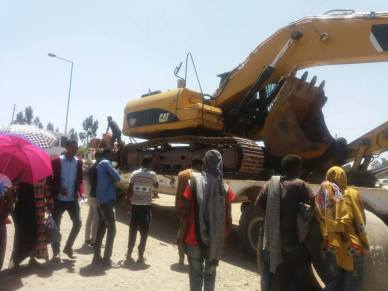 Photo Credit AS.
As late as Wednesday and Thursday more excavators were arriving
The story of the growing numbers of Ethiopians (115 as of yet) who died buried under a pile of Addis Abeba’s solid waste first broke nearly 12 hours after it struck. For such a story about Ethiopia’s “forsaken” [“we are the forsaken; why would anyone care, right?”], it was neither surprising nor unexpected.
In the shadow of death
Officially known as “Reppi” landfill (commonly called by its local name Qoshe in Amharic) the area is a mountain of an open dumpsite where millions of tons of solid waste collected from the sprawling capital, home to some four to five million inhabitants, has simply been disposed off for more than half a century.
Established 54 years ago, and occupying 37ha surface area, Qoshe is not your ideal landfill. For starters, its surroundings on all four sides is home to both plastic makeshift shelters and poorly constructed mud & wood houses that shelter hundreds of people, a figure by far bigger than what the government admits as ‘houses’ with registered title deeds; and unlike repeated media reports that followed the tragic incident, the residents of the plastic makeshift and mud & wood houses are not all rubbish scavengers. “I work at the Ethiopian electric power corporation,” said Alemayehu Teklu, a father of four who, as of this writing, is still looking for his three children and his wife. “Only my first born son survived because he was not at home the night the garbage mountain caved in.”
Alemayehu and his family resettled in the area ten years ago when several shanty towns were demolished in many parts of Addis Abeba city to give way to new high rising buildings. “We had a two bedroom old house near Kazanchis that belonged to the families of my wife. The Kebele administrators had told us we should evacuate in two months but our house was demolished within three weeks after we were served with the notice,” Alemayehu said, “we were paid 70,000 birr [roughly $2, 500 in today’s exchange rate] as value for our house and were told we would be given a plot in one of the outskirts of the city. No one ever responded to our repeated pleas afterward and I settled my family here after buying the plot for 10, 000 birr.” Struggling to contain his tears, Alemayehu said: “we are the forsaken; why would anyone care, right?”
The massive scale of decades-old evictions of the poor from the center of the city, which is, by all measures, a corruption-infested practice by city administration officials, means there are countless stories similar to Alemayehu’s. None of the dozen interviewees approached by Addis Standard say they become residents of an area surrounding a mountain of waste by choice. These include Mintiwab Gushe, a mother of four who lived in the area for the last 35 years, gave birth to all her children in the same mud & wood house they now remain buried under. Mintiwab is unable to compose herself to talk. And others, such as Gurmu Kidane and his now missing family of two have come to Qoshe as recently as June 2016, when more than 200 special police task force units have started demolishing houses in Nefas Silk Lafto Kifle Ketema in western Addis Abeba, which city authorities claimed were built illegally since 2005. “My family and I came here after losing our house because my sister who got a new condominium unit and had rented her house here in Qoshe gave it to me so I can shelter my family,” said Gurmu. He owns a cement mixer and lives off renting it to construction sites. His 16 years old daughter and his wife are now among the missing.
But the area surrounding Qoshe is not just home to the 200 or so households known to the city Administration; there are at least “500 households most of which also rent additional quarters to tenants,” said a young man who wants to remain anonymous. Here is where the story of Hadya Hassan, 72, fits. She rented her house to 13 different people who came from different parts of the country in search of labor. They are unregistered anywhere hence unknown to city officials. “We have been submitting requests to be relocated to our respective Kebele officials for years. Today, they came to see us mourn,” Hadiya told Addis Standard.
Haunted by collect and dump
Until 2014, Qoshe has consolidated its notoriety as the only open dumpsite that outlived its original purpose. For 54 years, it served as a dumpsite while having no facilities such as fences, drainage systems, odor control, or recycling methods.
“The present method of disposal is crude open dumping: hauling the wastes by truck, spreading and leveling by bulldozer and compacting by compactor or bulldozer,” admitted a research overview paper commissioned by the Addis Abeba City Administration in 2010 and was delivered to the UN Habitat. It also estimated that about 200,000 tons of waste was annually produced in Addis Abeba alone, of which 76% is generated from domestic households.
The ten-years-old commissioned review is an early sign that city authorities have long been haunted by the black mountain of dumpsite they have created half a century ago and have subsequently failed to manage properly. Nor have they been short of policy recommendations from think-tank organizations funded by foreign governments. “Adequate planning of waste management is essential if communities and regions are to successfully address the challenge of a sustainable development, including resource conservation, climate protection, and pollution prevention,” reads one such action brief written in 2010 and was partially funded by the German government’s ministry of education.
The Addis Abeba City Government Cleaning Management Agency, an agency accountable to the city administration, began taking the ensuing disaster at Qoshe a little more seriously around 2009, according to an official in the agency who spoke to Addis Standard but wants to remain anonymous because “now is a sensitive time.”
“At that time, authorities have begun to discuss selecting alternative sites and the closure and eventual transformation into a public park of Qoshe. Project proposals were submitted to several donors to conduct feasibility studies to open a modern dumpsite, which would also be used to generate green energy,” he said. Several donors, including the US, have responded positively and have provided large amounts of grants to the city administration,” he said, without mentioning the exact amount of money. “It was a lot.”
This was followed by a binge of workshops, both by the city administration and donors, research works, study tours to foreign capitals for high-level city officials including the Mayor, Diriba Kuma, and proposals on alternative sites and type of a state-of-the-art dumpsite.
As the spree of talks and workshops began to take shape, in a process the details of which is shrouded in backdoor negotiations, in 2012 the Addis Abeba city administration decided to obtain 136ha land in Sendafa, some 30km northeast of Addis Abeba, and is home to hundreds of farmers. As of now, Addis Standard is not able to verify the availability of documents, if any, detailing the process and eventual decision by the city administration to acquire this plot of land in Sendafa.
Be that as it may, with a US$337 million grant secured from the French government, and a project office assigned to do the job – Addis Abeba Waste Recycling & Disposal Project Office – the city administration looked poised to turn Sendafa Sanitary Landfill become everything Qoshe was not in more than 50 years of its history.
Sendafa Sanitary Landfill had a US$27.6 million initial budget; it is supposedly guided by an elaborated Environmental and Social Impact Assessment report; it had a 40 million birr [roughly US$1.8 million] compensation scheme for the farmers to be displaced by the project; it was benefiting from the rich experience of VINCI Grands Projets, a French construction company (coincidence?); it was to be assisted by four separate waste transfer stations for preliminary treatment of waste; and city officials determined to change the city’s face defiled by the solid waste its residents keep on producing and dumping carelessly. Sendafa Sanitary Landfill had everything to become a modern-day landfill.
Simultaneously, city administration officials have assigned a US$158 million for a project to turn Qoshe into a 50mw waste-to-energy plant and have awarded the contract to the UK-based Cambridge Industries; this was to be followed by yet another ambitious work to turn Qoshe into a green public park. This plan to green Qoshe was receiving institutional guidance, including from the Addis Abeba University (AAU) and the Horn of Africa Regional Environmental Center and Network (HoARE&N).
If the French government came to the financial rescue of the Sendafa Sanitary Landfill, turning Qoshe into a waste-to-energy plant and a green park is enjoying a large sum of donors’ money Ethiopia is receiving in grants as part of its newly designed Climate–Resilient Green Economy (CRGE) planned to last for 20 years at cost of US$150 billion. One of the four pillars stated in this new lucrative project is the government’s wish to expand “electricity generation form renewable energy for domestic and regional markets.” Among the major contributors to this project are the United Nations Development Assistance Frameworks (UNDAFs) and OECD countries.
However, reminiscent of delays the Sendafa Sendafa Sanitary Landfill experienced, the Qoshe waste-to-energy project has already missed its opening deadline several times.
What really went wrong?
Delayed as it may, Sendafa Sanitary Landfill opened in February 2016; Qoshe took its first break in 53 years. But six months into its service, Sendafa Sanitary Landfill imploded, leaving Addis Abeba to explode with its waste.
In July 2016, farmers living in and around the new landfill have forced garbage trucks to stop dumping the city’s unsorted, crude waste in the landfill.
At the heart of the matter is the US$27.6 worth landfill which looked nowhere close to its plans on paper. “VINCI Grands Projets was paid may be half of the initial amount it won the contract for and even that, it was done in bits and pieces with several delays. The company was also not able to receive the hard currency it needed to import some of the equipment it badly needed” said a project team member at the Addis Abeba Waste Recycling & Disposal Project Office, who also spoke to Addis Standard on conditions that he remains anonymous. “And yet authorities from the city administration have rushed the opening of the landfill before it was fully completed.”
Addis Standard is unable to hear from VINCI Grands Projets representatives because its office is nowhere to be found in the addresses it listed was its location: “Sendafa Subcity – Woreda 13 and Yeka Subcity – Woreda 13 (Ayat Village Zone 06) Legetafo road.” And there is no registered telephone line under the company, or at the very least, operators at the state owned telecom giant are not aware of it.
But that doesn’t change the fact that Sendafa Sanitary Landfill was not only incomplete when it started receiving the city’s solid waste, but also none of the four waste transfer stations incorporated in the plan were built. These were sites designed to serve as preliminary waste treatment sites and were planned to be built simultaneously in four separate sites including Akaki sub city and Reppi itself.
“And yet, in Oct. 2016, the Addis Ababa City Government Cleaning Management Agency spent close to US$5 million to purchase 25 compactors and ten road sweepers designed to be given to all sub-cities to boost the existing, old compactors in order to dispose off the city’s waste in an efficient manner at the designated waste transfer sites. This was the second time the agency made such huge investment to buy compactors. Already in 2012, it bought 19 compactors at a cost of US$3.9 million; almost all of them were sitting idle by the time Sendafa Sanitary Landfill was opened,” our source at the Agency said.
Having consumed millions of dollars, but being not much of use in a city that never knew how to sort its garbage, Sendafa was quickly becoming just another Qoshe and the farmers were a storm in wait.
Under-compensated (of the 40 million birr originally assigned as compensations package, an official from the Solid Waste Recycling and Disposal project Office admitted having disbursed only 25 million – but the actual payment is even less than five million birr); dispossessed of their land; lied to as they were told their land was needed for future construction of an airport; and forced to live near a landfill that already started to stink, the Sendafa farmers have refused to accept nothing less than the total closure of the landfill.
And as the yearlong anti-government protests that started in Nov. 2015 continued to gather momentum, questions also began popping up; questions that probe the tumultuous power the city of Addis Abeba exercises over its surrounding villages administratively belonging to the Oromia regional state. Authorities both from the city administration and the Oromia regional state were locked in last minute discussions to avoid the fallout, and find ways to re-open a US$27 million worth new landfill, to no avail.
 Photo Credit AS.
A city threatned by trash
As the pile of solid waste threatened Addis Abeba in the middle of the summer rainy season, the city administration decided to quietly reopen Qoshe.
Not the old Qoshe anymore
But in the six months since Qoshe was going through its eventual closure, Reppi as an area has completely changed. The real estate market in its surroundings, hyper inflated by the promise of a future public park and the ever increasing land value in Addis Abeba, has boomed. Construction sites near Qoshe have mushroomed, and bulldozing excavators have begun working aggressively for several projects the poor residents of the area know nothing about. “One day before the collapse of the trash, several bulldozers were ploughing the earth for what one of the operators carelessly told us was an ‘important government project’,” said Gebresselasie Mekuria, a resident at the western end of Qoshe landfill. “The smell was getting worse and we have filled our complaints to the Kebele officials asking them to relocate us; they responded to us as if we were mad people; as if living in this hell on earth is our preordained destiny.”
Meanwhile, while the planned constriction of the 50mw waste-to-energy plant is still ongoing, the plan for earlier promises to turn Qoshe into a green public park has stalled. With the collapse of the black mountain, its residents are now left with nothing but unknown numbers of victims.
 photo credit AS.
The new waste-to-energey plant from outside
For the hundreds of these people who lived in the shadow of death, death is a routine exercise; and every time it happens, it leaves in its devastating wake a trail of lives altered forever. That is what happened on Saturday night to Bethlehem Yared, 16, who feels the burden of not been able to save her six years old brother who “decided to hide under the sofa when I ran for my life and asked him to follow me; I had to leave him behind”. Another one, Ayalew Negussie, who survived with his family, is deeply disoriented because “I lost all of my neighbors and friends whom I knew longer than I knew my children”; and Bedria Jibril, who is unable to “think anymore” after losing everything she has in less than 25 minutes. “I only left the house to buy milk for my one-year-old son and when I came back, I couldn’t find where my house was; I lost my husband and my two children all in less than 25 minutes.”
The collapse of this mountain of waste also deprived a means of income to no less than 300 waste pickers who scour it every day. Some of these are residents of the area, but many come from the city in search of something valuable, including food.
Qoshe is not new to life-devouring accidents. In 2015, a flashflood had displaced more than 70 households, many of which are plastic makeshift; in 2014, shortly before the closure of the dumpsite, a small collapse triggered by waste pickers had killed about 13 of them.
But on Saturday March 9, the black mountain of dirt finally decided to end sheltering the people who have taken refuge in it from a city that loathes them but loves their labor. Sadly, their story is not only a story of a waste mountain that collapsed on them, but has a trail of corruption and criminal negligence that left survivors with nothing but counting the bodies of their loved ones.
Source: Addisstandard
 Dagumedia